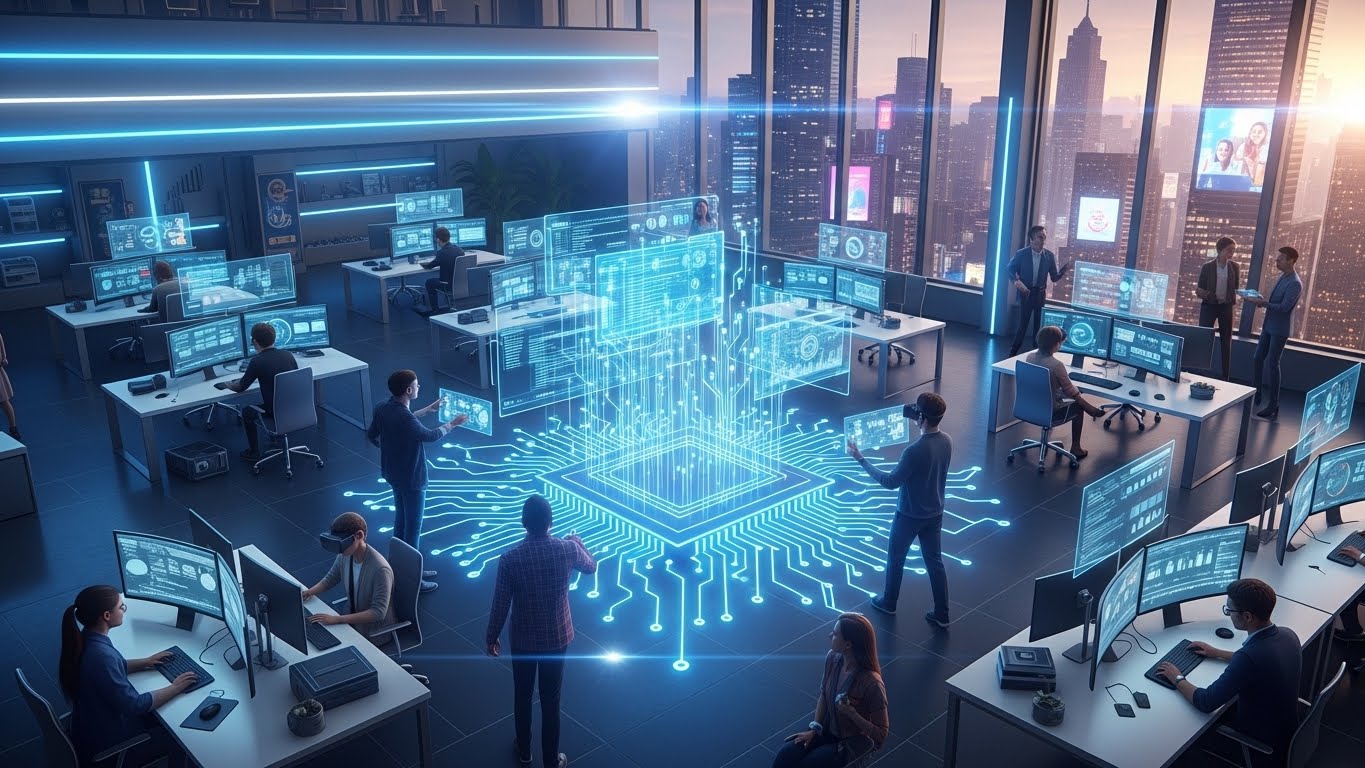

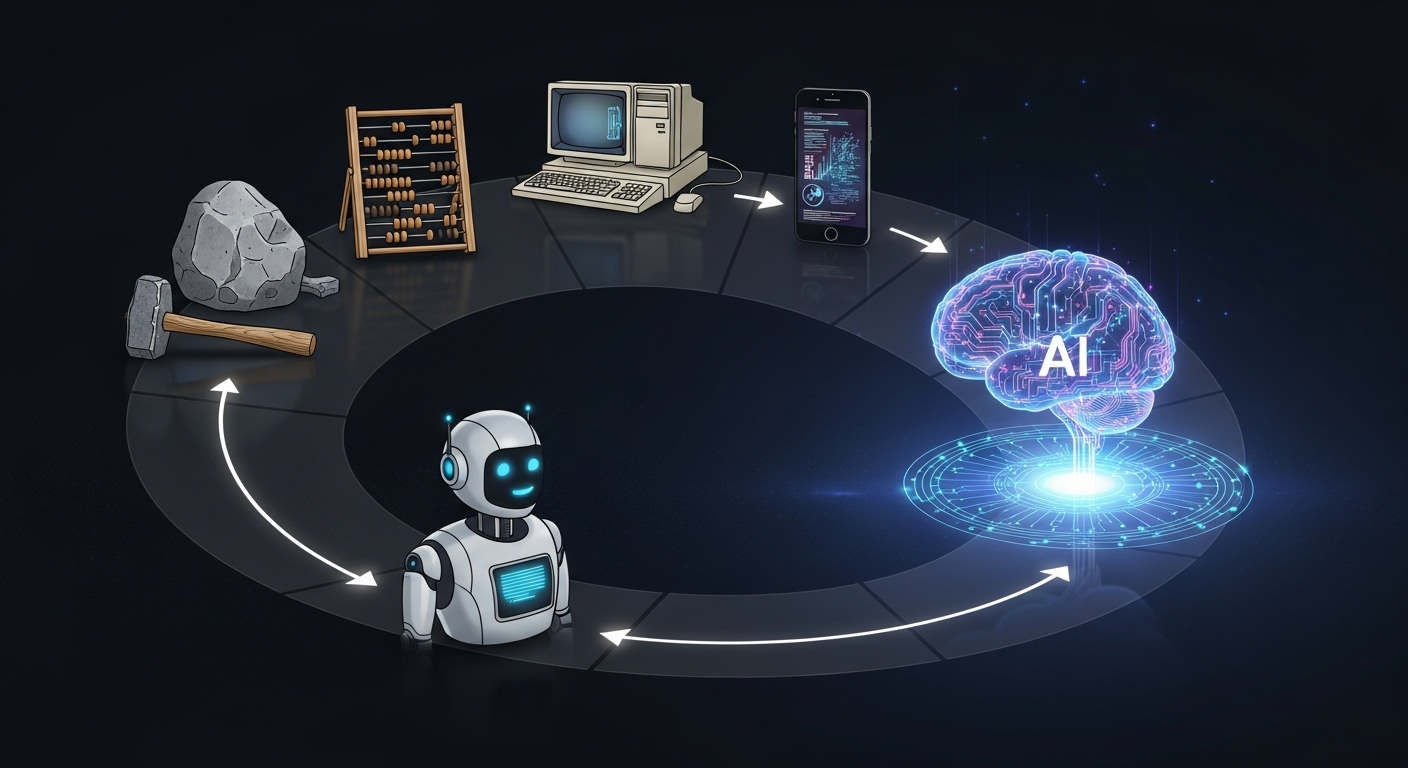
Technology is more than just smart gadgets or complex systems. It is a living, ever-changing ecosystem that shapes human lives, economies, and societies. From communication to artificial intelligence, the impact of technology is undeniable. This blog explores the core aspects of technology, its evolution, current innovations, challenges, and its future possibilities.
The Foundation of Modern Technology
Technology did not reach its current state overnight. It began with simple inventions like the wheel, printing press, and electricity. These innovations laid a foundation for complex systems we use today. The Industrial Revolution introduced machines, automation, and mass production, which completely changed how societies functioned.
The discovery of electricity revolutionized human civilization. It powered homes, factories, and cities. Later, telecommunications like the telegraph and telephone brought people across continents closer. With the invention of computers, the foundation of digital technology was laid.
The Rise of the Digital Age
The digital age began with the development of computers and the internet. In early days, computers were large machines used only by governments and research organizations. As technology advanced, computers became smaller, faster, and more affordable.
The internet was originally developed to exchange information between universities. Over time, it expanded into a network connecting the whole world. The World Wide Web transformed the internet into a platform for communication, business, learning, and entertainment.
Digitalization affected every industry. Banking adopted online services, education shifted towards e-learning, and entertainment moved from physical formats to streaming platforms. Smartphones became personal digital assistants, capable of performing multiple tasks from messaging to online shopping.
Artificial Intelligence and Machine Learning
Artificial intelligence aims to create machines that can think and solve problems like humans. Machine learning is a branch of AI that allows computers to learn from data without being explicitly programmed.
AI technologies are used in voice assistants, self-driving cars, facial recognition systems, healthcare diagnosis tools, and more. AI learns patterns from huge amounts of data and makes predictions or decisions based on them.
Modern AI is also used in industries to optimize production, predict failures, and reduce human errors. AI systems can analyze large datasets in seconds, something that would take humans years.
The Power of Smartphones
Smartphones are one of the most influential inventions of the modern world. They are compact computers that fit in our pockets. They combine the functions of a phone, camera, computer, GPS device, and more.
With smartphones, communication became faster and easier. Instant messaging apps, video calls, and social media connected people around the globe. Apps revolutionized services like transportation, food delivery, banking, and shopping.
Smartphone technology continues to improve with better processors, high-resolution cameras, advanced sensors, and long-lasting batteries. Features like face unlock, fingerprint sensors, and AI-powered assistants make smartphones smarter and more secure.
Internet of Things and Smart Devices
The Internet of Things is a network of devices connected to the internet, sharing data and interacting with each other. These devices include smart refrigerators, smartwatches, smart security cameras, and even smart cars.
Smart homes use IoT to provide convenience and security. For example, smart lights can be controlled by voice or smartphone apps. Smart thermostats learn user preferences and adjust room temperature automatically.
Industries also use IoT technology to monitor machinery, track inventory, and improve productivity. Farmers use IoT for smart irrigation and weather monitoring to improve crop yield.
Cloud Computing and Data Storage
Cloud computing allows storing and accessing data over the internet instead of local computers. This technology changed how businesses and individuals store files, run applications, and manage data.
Cloud services offer flexibility, scalability, and cost-effectiveness. Users can access their data from any device with an internet connection. Businesses use cloud platforms to host websites, manage databases, and run complex applications without investing in expensive hardware.
Cloud computing also supports AI and big data analytics by providing powerful computing resources. With cloud technology, teams can collaborate in real-time from different parts of the world.
Cybersecurity and Digital Safety
As technology grows, so do cyber threats. Cybersecurity is the practice of protecting networks, devices, and data from unauthorized access or attacks. Hackers use various methods like phishing, malware, and ransomware to steal information.
To protect digital systems, companies use firewalls, encryption, secure passwords, and two-factor authentication. Individuals must also take precautions such as avoiding suspicious links, updating software, and using strong passwords.
Governments across the world are creating laws and regulations to protect data privacy. Cybersecurity professionals are in high demand to secure digital platforms and prevent cybercrimes.
Blockchain and Digital Currencies
Blockchain is a digital ledger technology that records transactions securely and transparently. It is most commonly known for powering digital currencies. Each block in the chain contains data that is linked to previous blocks, making it difficult to alter.
Digital currencies are decentralized, meaning no bank or government controls them. They allow peer-to-peer transactions without intermediaries. Blockchain technology is also used in supply chain management, voting systems, and healthcare records.
Virtual Reality and Augmented Reality
Virtual reality creates a fully digital environment using headsets and sensors. It is used in gaming, training simulations, education, and therapy. Users can experience virtual worlds in a realistic way.
Augmented reality overlays digital elements on the real world using smartphone cameras or AR glasses. It is used in navigation, interactive learning, and product visualization. For example, AR apps can show how furniture will look in a room before buying it.
Automation and Robotics
Automation uses machines or software to perform tasks with little or no human intervention. Robotics is a branch of technology focused on designing and building robots.
Robots are used in manufacturing, medicine, agriculture, and even space exploration. Industrial robots assemble products in factories. Medical robots assist in surgeries with precision. Agricultural robots help in planting, watering, and harvesting crops.
Automation increases productivity and reduces human errors, but it also raises concerns about job displacement. However, new job roles are also created in designing, maintaining, and improving automated systems.
Technology in Healthcare
Healthcare has greatly benefited from technology. Advanced machines help in diagnosing diseases early. Digital health records make it easier for doctors to access patient history.
Telemedicine allows patients to consult doctors remotely through video calls. Wearable fitness trackers monitor heart rate, sleep, and physical activity, helping people stay healthy.
AI systems analyze medical images, predict diseases, and assist doctors in making accurate decisions. Robotic surgery tools allow minimally invasive procedures with smaller cuts and faster recovery times.
Education in the Digital Era
Technology transformed education by making learning more interactive and accessible. Online platforms offer courses that anyone can join from anywhere in the world. Students use tablets and laptops instead of traditional books.
Virtual classrooms allow teachers and students to connect remotely. Digital tools help in personalized learning, where lessons are tailored according to student needs.
Augmented and virtual reality are used to create immersive learning experiences. Students can explore ancient civilizations or the human body in 3D using these technologies.
Transportation and Future Mobility
Technology has changed transportation systems. Electric vehicles are becoming popular as they are eco-friendly and cost-effective in the long run. Charging stations are being installed worldwide to support electric cars.
Self-driving cars use sensors, cameras, and AI to navigate roads without human control. These vehicles aim to reduce accidents caused by human error.
High-speed trains, drones, and advanced navigation systems are part of smart transportation solutions. Ride-sharing apps and digital maps make traveling easier and more efficient.
Space Technology and Exploration
Space technology has advanced rapidly. Satellites provide communication, weather forecasting, navigation, and internet services. Space agencies and private companies are working on missions to explore the moon, Mars, and beyond.
Reusable rockets have reduced the cost of space missions. Rovers and landers are exploring surfaces of other planets, sending images and data back to Earth.
Space tourism is also emerging, allowing people to travel to space for leisure. Though it is still expensive, it may become more common in the future.
Environmental Technology and Sustainability
Technology plays a key role in solving environmental problems. Renewable energy sources such as solar, wind, and hydroelectric power reduce dependence on fossil fuels. Energy-efficient appliances and smart grids help in conserving energy.
Recycling technologies convert waste into useful materials. Smart agriculture reduces water usage and improves crop productivity. Electric vehicles reduce air pollution and greenhouse gas emissions.
Scientists are also developing technologies to clean oceans, reduce plastic waste, and capture carbon dioxide from the atmosphere.
Challenges in the World of Technology
While technology brings many benefits, it also presents challenges. Privacy issues, cyber threats, and data misuse are growing concerns. People worry about how companies and governments use their personal information.
Automation may replace some jobs, causing unemployment in certain sectors. However, it also creates new roles in fields like AI, robotics, and cybersecurity.
Another challenge is digital addiction. Excessive use of smartphones and social media can affect mental health and reduce productivity. Balancing technology with human values is important.
The Future of Technology
The future of technology is full of exciting possibilities. Artificial intelligence will become more advanced and integrated into everyday life. Smart cities will use sensors and data to manage traffic, energy, and waste efficiently.
Quantum computing promises to solve complex problems much faster than current computers. Biotechnology will advance healthcare by personalizing treatments and extending human lifespan.
Space exploration may lead to human settlements on other planets. Renewable energy technologies will become more efficient, helping to fight climate change.
Conclusion
Technology is a powerful force that shapes the world. It connects people, improves lives, and solves problems. From AI to space travel, technology continues to evolve, opening new opportunities and challenges.
Understanding technology helps us use it responsibly and creatively. As we move into the future, the goal should be to develop technology that benefits humanity, protects the environment, and creates a better world for future generations.