

Introduction: The Era of Technological Transformation
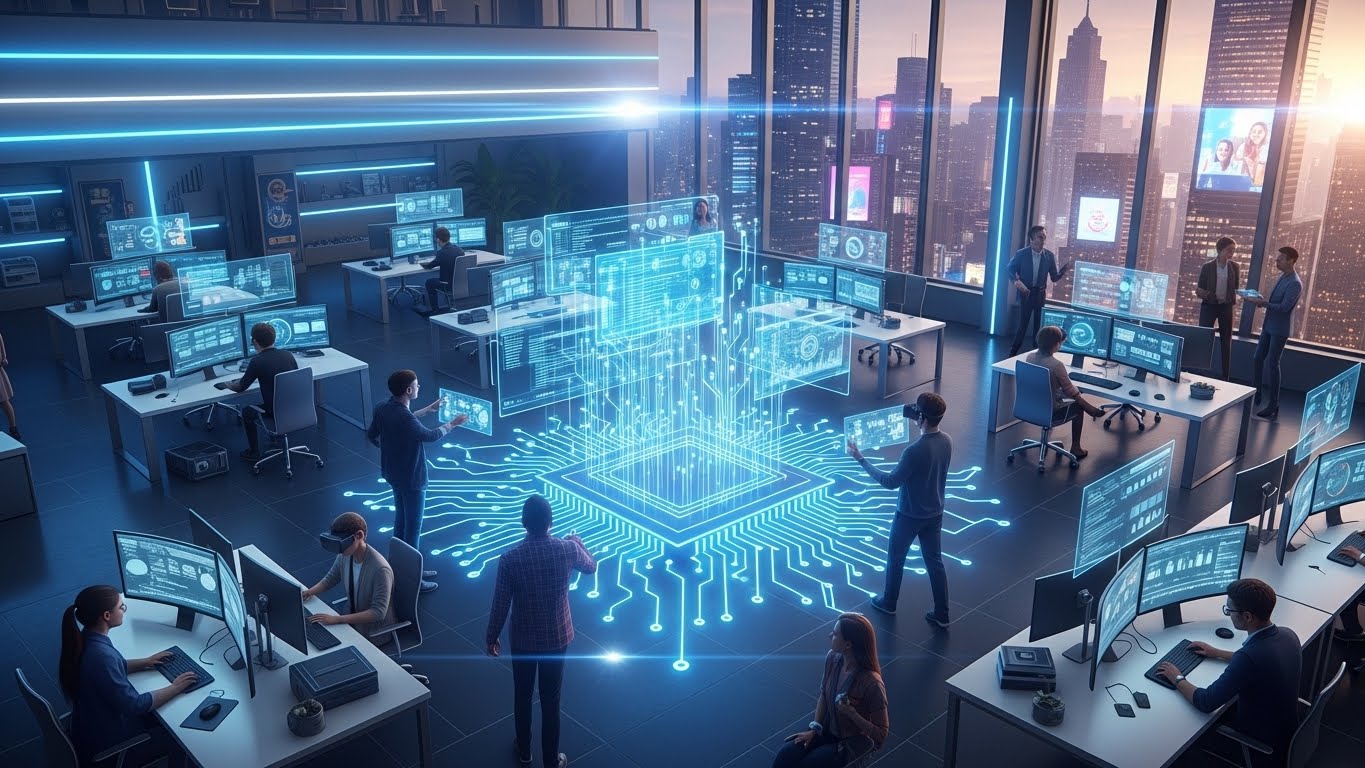
Technology is no longer a tool confined to laboratories or offices—it permeates every aspect of our daily lives. From smartphones to smart homes, from artificial intelligence to autonomous vehicles, technological innovation defines the way we live, work, and interact. It has transformed industries, reshaped societies, and created opportunities previously unimaginable. This blog delves into the evolution of technology, its profound impact on society, and the trends that are shaping the future.
The Evolution of Technology: From Tools to Intelligence
The history of technology is the story of human innovation and progress. Early humans used basic tools like stone implements and fire to survive. Over time, advancements such as the wheel, the printing press, and mechanical clocks revolutionized societies.
The industrial revolution marked a turning point, introducing machinery and mass production. In the twentieth century, the digital revolution brought computers, the internet, and mobile technology, transforming how people access information, communicate, and work. Today, technology is not just a tool—it is an intelligent, interconnected system capable of analyzing data, learning, and performing complex tasks.
Technology and Communication: Connecting the World
One of technology’s most visible impacts is in communication. The evolution from letters to telegraphs to instant messaging has drastically reduced barriers of time and distance. Today, video calls, social media, and messaging apps allow real-time communication across continents.
This interconnectedness fosters personal, professional, and societal relationships. Families separated by thousands of miles maintain constant contact. Businesses collaborate across borders in real time, while global communities share ideas, culture, and knowledge instantly. Technology has transformed communication, making the world smaller and more connected than ever.
Education in the Digital Age
Technology has transformed the educational landscape, making learning more accessible, flexible, and personalized. Traditional classrooms have evolved into digital spaces supported by interactive tools and online platforms.
Students now access courses, lectures, and tutorials from anywhere in the world. Virtual classrooms, digital simulations, and AI-powered tutors enhance understanding, while online collaboration tools allow group projects and global interactions. Technology in education democratizes knowledge, ensuring opportunities are no longer limited by geography or resources.
Healthcare Innovations: Technology Saving Lives
The healthcare industry has benefited tremendously from technological innovation. Advanced medical devices, imaging techniques, and robotic-assisted surgeries have improved diagnostic accuracy and treatment outcomes.
Wearable health monitors track vital signs, detect anomalies, and promote preventive care. Telemedicine connects patients to healthcare providers regardless of location, breaking geographical barriers. Data analytics and AI help predict disease trends, optimize treatments, and accelerate medical research. Technology has improved life expectancy, quality of care, and access to healthcare globally.
Artificial Intelligence and Automation: Redefining Work
Artificial intelligence and automation are transforming industries and redefining work processes. AI systems analyze vast datasets, identify patterns, and make informed decisions. Automation enhances productivity, reduces errors, and allows humans to focus on creative problem-solving.
From self-driving vehicles to intelligent virtual assistants, AI is present in manufacturing, logistics, customer service, and finance. While these advancements improve efficiency, they also create challenges, including workforce displacement and the need for upskilling. Embracing AI responsibly ensures it complements human abilities rather than replacing them.
The Internet of Things: Connecting Everything
The Internet of Things (IoT) connects everyday devices, creating intelligent, responsive environments. Smart homes adjust lighting and temperature automatically, wearables monitor health, and connected vehicles improve traffic safety and efficiency.
IoT extends to industry and infrastructure. Smart factories optimize production, monitor equipment, and prevent downtime. Smart cities use sensors to manage energy consumption, public transport, and waste efficiently. The IoT ecosystem enhances convenience, safety, and sustainability, making everyday life more seamless.
Technology in Business and Industry
Technology has transformed the business landscape. Cloud computing allows companies to store and process vast amounts of data efficiently. Digital marketing, AI analytics, and e-commerce platforms enable personalized experiences and global reach.
Businesses leverage technology to innovate, reduce operational costs, and scale operations. Startups use digital tools to disrupt traditional markets, introducing new products and services. In every sector—from finance and manufacturing to retail and logistics—technology drives growth, competitiveness, and innovation.
Cybersecurity: Safeguarding the Digital World
As technology becomes integral to life, cybersecurity has emerged as a critical concern. Data breaches, cyberattacks, and identity theft threaten individuals, businesses, and governments. Protecting digital assets requires robust systems and constant vigilance.
Organizations implement encryption, secure authentication, and monitoring tools, while individuals adopt strong passwords and awareness practices. Cybersecurity ensures that the benefits of technology are preserved and that digital interactions remain safe and trustworthy.
Technology in Entertainment
Entertainment has been completely transformed by technology. Streaming services, gaming, virtual reality, and augmented reality offer immersive experiences to global audiences. Consumers can access music, movies, and games instantly, creating interactive and engaging content.
The gaming industry exemplifies technology’s impact, blending graphics, AI, and social interaction to create complex, engaging experiences. Technology not only enhances entertainment but also expands creative possibilities for artists, storytellers, and developers worldwide.
Environmental Technology: Sustainable Innovation
Technology plays a crucial role in addressing environmental challenges. Renewable energy sources such as solar, wind, and hydroelectric power are becoming more efficient. Smart grids, energy-efficient buildings, and electric vehicles reduce environmental impact.
Monitoring systems track climate change, natural resources, and wildlife, enabling proactive environmental management. Technological innovation in sustainability helps balance human development with ecological preservation, ensuring a healthier planet for future generations.
Ethical Challenges in Technology
While technology offers vast benefits, it also presents ethical challenges. Issues such as privacy, surveillance, algorithmic bias, and digital addiction require careful consideration. Responsible use of technology ensures that innovation benefits society without compromising safety or ethics.
Regulations, corporate responsibility, and individual awareness are essential in addressing these challenges. Ethical frameworks guide the development of AI, data management, and digital interactions, ensuring that technology serves humanity positively.
The Future of Technology
The future of technology promises unprecedented advancements. Quantum computing, AI, biotechnology, and space exploration will redefine industries and daily life. Smart cities, autonomous transport, and AI-assisted healthcare will become mainstream.
Emerging technologies will focus on inclusivity, sustainability, and efficiency. Responsible innovation, coupled with ethical considerations, will ensure that technological progress enhances human life while protecting societal values and the environment.
Conclusion: Embracing a Technological Future
Technology is not just a tool; it is a transformative force that reshapes society. It enhances communication, education, healthcare, business, and entertainment, while creating opportunities for innovation and progress.
Embracing technology responsibly ensures that its benefits are maximized while risks are mitigated. The digital era is not merely about machines and software; it is about human ingenuity, creativity, and the limitless potential of innovation. As technology continues to evolve, it will shape a smarter, more connected, and sustainable world for generations to come.