
Introduction: Living in a Digital Age
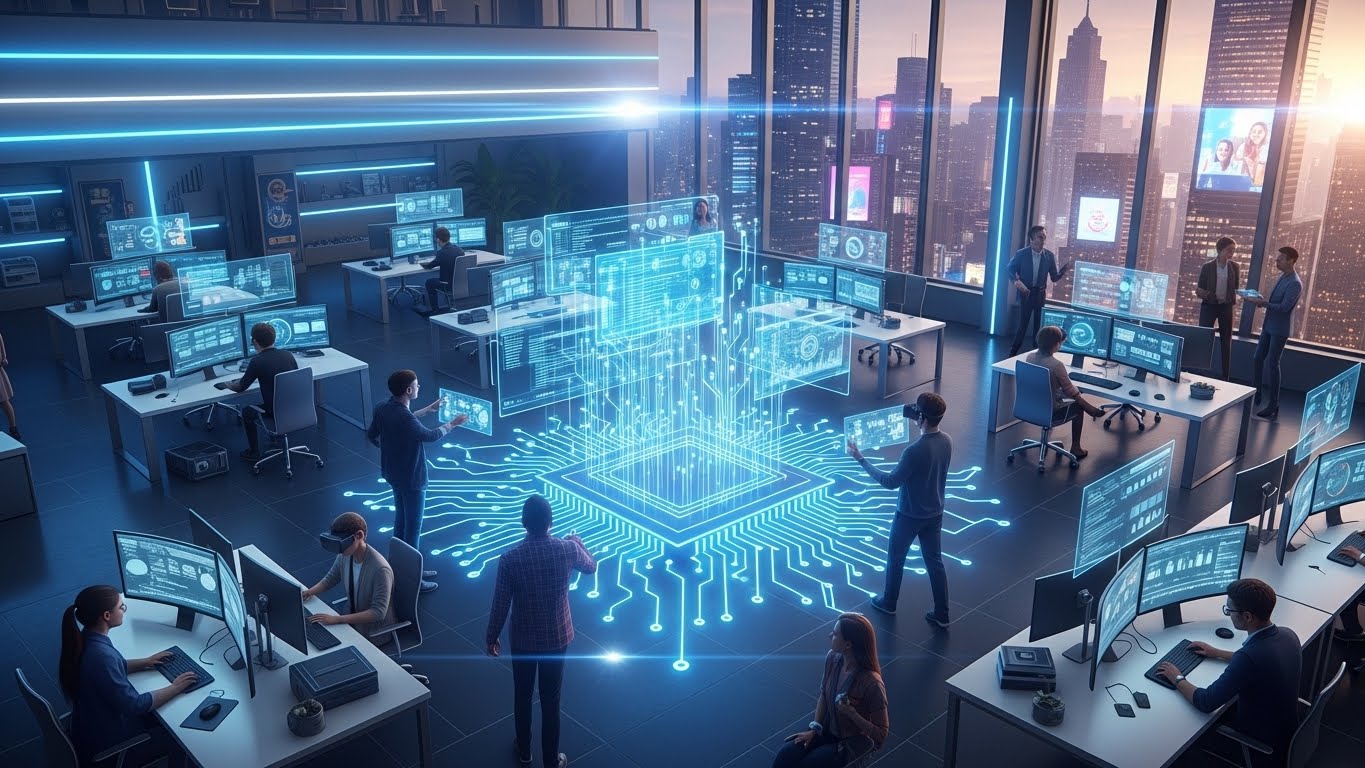
Technology is no longer a separate part of life; it is life itself woven into our daily routines. From the moment we wake up to the alarm on a smartphone to the way we work, learn, communicate, and relax, technology quietly shapes every experience. What once felt like science fiction has become ordinary reality. The digital age has not only changed how tasks are performed but has also transformed how humans think, connect, and imagine the future. Understanding technology today means understanding the direction in which society itself is moving.
The Evolution of Technology Over Time
Technology did not appear overnight. It evolved gradually, driven by human curiosity and the desire to solve problems. Early tools were simple extensions of physical ability, designed to hunt, build, and survive. As civilizations advanced, technology expanded into agriculture, transportation, and communication. The industrial era marked a major shift, replacing manual labor with machines and accelerating production. The digital revolution later introduced computers and the internet, fundamentally altering how information is stored and shared. Each stage of technological evolution reflects humanity’s ongoing pursuit of efficiency, comfort, and progress.
Technology and Everyday Convenience
One of the most visible impacts of technology is convenience. Tasks that once required hours of effort can now be completed in minutes. Online communication allows instant connection across continents. Smart devices manage homes, track health, and organize schedules. Digital payments have reduced dependence on physical currency, while navigation tools guide people through unfamiliar places with ease. These conveniences save time and energy, allowing individuals to focus on creativity, relationships, and personal growth. Technology has become an invisible assistant, working constantly in the background of modern life.
Communication in the Age of Innovation
Technology has revolutionized communication more than any other aspect of human interaction. Letters and landlines have been replaced by instant messaging, video calls, and social platforms. Distance is no longer a barrier to connection. Families separated by oceans can see and hear each other in real time. Businesses operate across borders without physical presence. At the same time, communication has become faster and more informal, reshaping language and social norms. While this constant connectivity offers immense benefits, it also challenges individuals to balance digital interaction with meaningful human relationships.
Technology in Education and Learning
Education has been transformed by technological advancement. Traditional classrooms are now supported by digital tools that enhance learning experiences. Students can access vast amounts of information instantly, explore interactive content, and learn at their own pace. Virtual learning environments have made education accessible to people who once faced geographic or financial barriers. Teachers use technology to personalize instruction and track progress more effectively. While challenges remain, technology has opened doors to lifelong learning and global knowledge sharing on an unprecedented scale.
The Workplace and the Rise of Automation
The modern workplace is deeply influenced by technology. Automation and artificial intelligence have changed how work is performed, increasing efficiency and accuracy. Repetitive tasks are handled by machines, allowing humans to focus on creativity, strategy, and problem-solving. Remote work has become possible through digital collaboration tools, redefining traditional office structures. At the same time, technology demands continuous skill development, as jobs evolve and new roles emerge. The future of work depends on adaptability and a willingness to learn alongside technological change.
Technology and Healthcare Innovation
Healthcare is one of the most impactful areas of technological progress. Advanced diagnostic tools, digital records, and remote monitoring systems have improved patient care and outcomes. Technology enables early detection of diseases, precise treatments, and better management of chronic conditions. Telemedicine has expanded access to medical expertise, especially in underserved regions. Beyond treatment, technology supports health awareness and prevention through wearable devices and data analysis. These innovations are extending life expectancy and improving quality of life across the globe.
The Ethical Challenges of Technology
As technology advances, ethical concerns grow alongside its benefits. Issues such as data privacy, digital surveillance, and misuse of artificial intelligence raise important questions. The collection and storage of personal information require responsible handling to protect individual rights. Automation also brings concerns about job displacement and economic inequality. Ethical technology development demands transparency, accountability, and human-centered design. Society must ensure that progress serves humanity rather than creating new forms of harm or exclusion.
Technology and Social Behavior
Technology has reshaped how people socialize and express themselves. Online platforms provide spaces for creativity, discussion, and community building. Individuals can share ideas, showcase talents, and connect with like-minded people worldwide. However, excessive screen time and digital dependence can affect mental health and social skills. The challenge lies in using technology as a tool for enrichment rather than replacement of real-world interaction. Healthy digital habits are essential to maintaining balance in a connected world.
Innovation, Creativity, and the Human Mind
Contrary to fears that technology limits creativity, it has become a powerful enabler of innovation. Digital tools allow artists, writers, designers, and creators to experiment in new ways. Technology supports collaboration across borders, blending diverse perspectives into groundbreaking ideas. Problem-solving has reached new levels through data analysis and simulation. At its best, technology amplifies human imagination, turning ideas into realities that once seemed impossible.
Environmental Impact and Sustainable Technology
Technology plays a dual role in environmental challenges. While industrial and digital growth have contributed to resource consumption, innovation also offers solutions. Renewable energy systems, smart infrastructure, and efficient resource management technologies aim to reduce environmental impact. Sustainable technology focuses on minimizing waste and promoting long-term ecological balance. The future depends on aligning technological advancement with environmental responsibility, ensuring progress does not come at the cost of the planet.
The Future of Technology
The future of technology holds endless possibilities. Artificial intelligence, advanced robotics, and immersive digital experiences continue to develop rapidly. These advancements promise greater efficiency, deeper understanding, and new forms of interaction. However, the future is not defined solely by machines but by the choices humans make in guiding their use. Education, ethics, and inclusivity will determine whether technology becomes a force for collective growth or division.
Conclusion: Technology as a Reflection of Humanity
Technology is ultimately a reflection of human ambition, creativity, and values. It mirrors our desire to improve life, solve problems, and explore the unknown. While tools and systems will continue to change, the responsibility for their impact rests with people. By using technology thoughtfully and ethically, society can ensure it remains a powerful ally in building a more connected, informed, and compassionate world. The story of technology is still being written, and its next chapter depends on how humanity chooses to shape it.