

Introduction
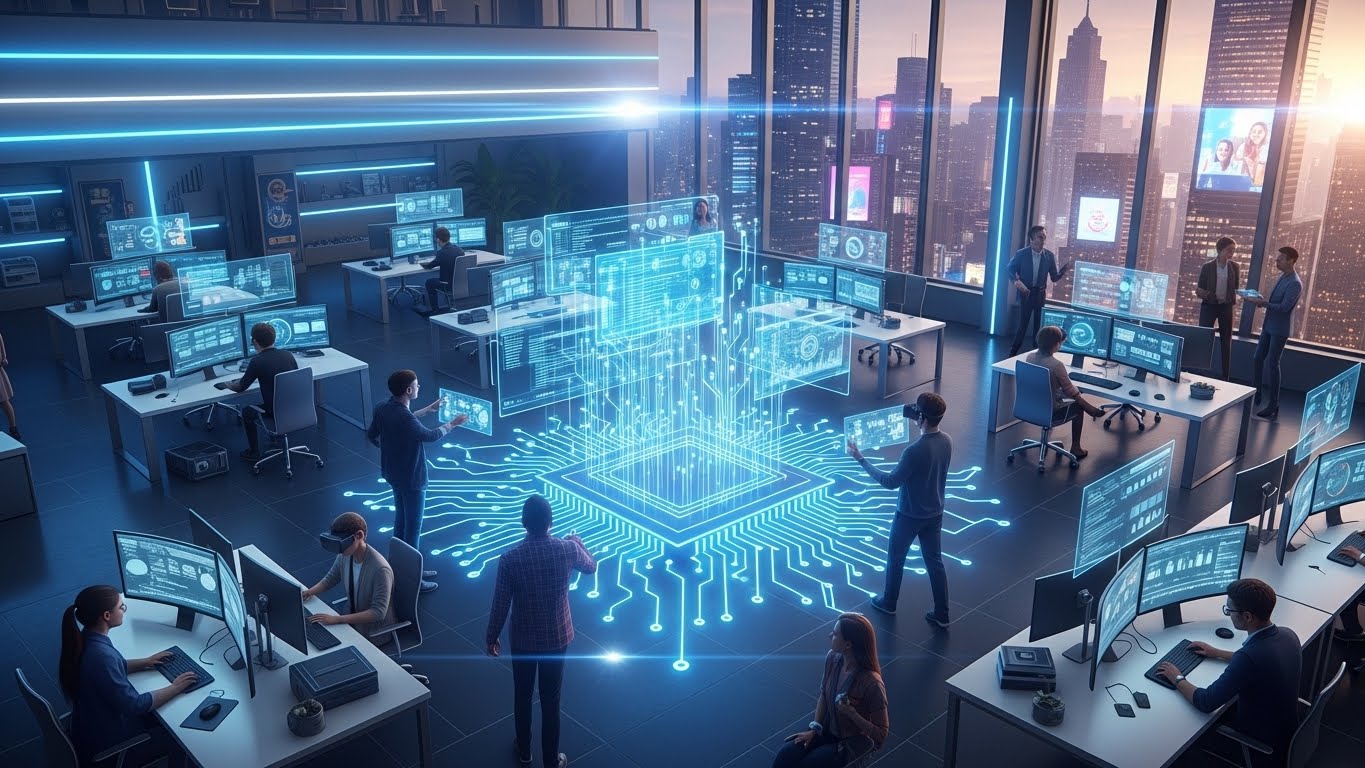
Technology has become the cornerstone of modern civilization. It is no longer confined to laboratories, offices, or industrial plants—it permeates every aspect of daily life, from communication and education to transportation and entertainment. The pace of technological innovation has accelerated exponentially over the last few decades, transforming the way humans live, work, and interact. This blog delves into the evolution of technology, its influence on various sectors, and the future possibilities it holds for humanity.
The Evolution of Technology
Technology has been evolving since the dawn of human civilization. Early humans relied on simple tools made of stone and wood to survive. The invention of the wheel, the discovery of electricity, and the printing press marked significant milestones in human progress. These innovations laid the foundation for industrial revolutions and technological leaps that reshaped societies.
The 20th century introduced computers, telecommunications, and the internet, creating a connected world that has grown even more integrated in the 21st century. Digital technology, cloud computing, artificial intelligence, and the Internet of Things have made previously unimaginable innovations possible, transforming how people live, work, and communicate.
Technology in Everyday Life
Today, technology is an inseparable part of our daily routines. Smartphones, laptops, and wearable devices provide constant access to information and connectivity. Communication has become instantaneous, with video calls, messaging apps, and social media connecting people across continents.
Technology also simplifies everyday tasks. Online banking, digital shopping, GPS navigation, and smart home devices offer convenience and efficiency. Even leisure activities, such as streaming movies, gaming, and virtual reality experiences, are made possible through technological advancements. Technology is no longer a tool; it is a framework that shapes daily life.
Artificial Intelligence and Machine Learning
Artificial Intelligence, or AI, has become one of the most transformative forces in modern technology. AI systems can process vast amounts of data, identify patterns, and make intelligent decisions. Applications of AI include virtual assistants, autonomous vehicles, robotics, predictive analytics, and healthcare diagnostics.
Machine learning, a subset of AI, allows computers to learn from past experiences and improve over time. Businesses use AI to personalize customer experiences, detect fraud, optimize logistics, and enhance decision-making. Healthcare professionals use AI to detect diseases earlier and develop treatment plans tailored to individual patients. AI is not just a tool for efficiency—it is redefining intelligence itself.
The Internet of Things: Connecting the World
The Internet of Things, or IoT, refers to the network of interconnected devices that communicate and exchange data. Smart homes, wearable fitness trackers, connected vehicles, and industrial sensors all form part of this ecosystem. IoT improves efficiency, convenience, and productivity.
Smart cities utilize IoT to manage traffic, monitor environmental conditions, and optimize energy use. Industries leverage IoT to streamline production, reduce waste, and improve equipment monitoring. The interconnected nature of IoT is transforming the way humans interact with their environment, making the world more responsive and intelligent.
Automation and Robotics
Automation has revolutionized industries by enabling machines to perform tasks that previously required human labor. Robotics is now an integral part of manufacturing, logistics, healthcare, and even home management. Automated systems assemble products, manage warehouses, conduct precise surgeries, and perform repetitive tasks with high accuracy.
While automation improves efficiency, it also changes the job landscape. Routine tasks are increasingly performed by machines, creating a need for workers to acquire new skills. Adaptability, creativity, and technical literacy are now essential for success in a world increasingly dominated by machines.
Cloud Computing and Big Data
Cloud computing allows data and applications to be stored on remote servers, accessible from anywhere. This technology has transformed how individuals and organizations manage information, collaborate, and operate. It enables businesses to scale efficiently and enhances productivity through seamless data access.
Big data analytics works hand-in-hand with cloud computing. Organizations analyze vast amounts of information to uncover trends, make predictions, and optimize strategies. From marketing and finance to healthcare and education, big data and cloud computing are central to innovation and decision-making.
Technology in Healthcare
Technology has revolutionized healthcare, improving patient care and outcomes. Telemedicine allows medical consultations to happen remotely, breaking geographic barriers. Wearable health monitors track vital signs in real time, and AI-powered diagnostic tools improve accuracy and speed.
Robotic surgery enhances precision, reduces recovery times, and minimizes human error. Advances in biotechnology and genomics allow personalized treatments tailored to an individual’s genetic profile. Technology not only improves efficiency in healthcare systems but also saves lives by enabling earlier detection and more effective treatments.
Technology in Education
Education has undergone a massive transformation due to technology. Online learning platforms, virtual classrooms, and digital resources make knowledge accessible to students worldwide. Education is no longer limited by geography, offering opportunities for self-paced learning and skill acquisition.
Digital tools enhance engagement and learning experiences. Simulations, interactive modules, and multimedia content make lessons more dynamic and memorable. AI assists educators in tracking student performance and tailoring instruction to individual needs. Technology is making education more inclusive, personalized, and effective than ever before.
Business and Innovation
Technology drives innovation and growth in business. Digital platforms enable companies to reach global markets, while automation and AI streamline operations and decision-making. E-commerce, digital marketing, and online services have transformed traditional business models.
Entrepreneurs leverage technology to create new solutions, reduce costs, and solve real-world problems. Startups are emerging in fields such as renewable energy, fintech, biotechnology, and artificial intelligence. Technology empowers businesses to innovate, compete, and thrive in a rapidly evolving digital economy.
Cybersecurity and Data Protection
As technology becomes pervasive, cybersecurity has become a critical concern. Protecting data, networks, and digital assets from cyberattacks, malware, and identity theft is essential. Businesses, governments, and individuals must adopt strategies to safeguard information.
Cybersecurity measures include encryption, multi-factor authentication, firewalls, and continuous monitoring. Ethical practices and digital awareness are equally important. As our lives become increasingly digital, maintaining security and privacy is essential to protect personal and organizational integrity.
Environmental Technology and Sustainability
Technology also plays a crucial role in addressing environmental challenges. Renewable energy technologies, including solar, wind, and hydroelectric power, reduce dependence on fossil fuels and lower carbon emissions. Smart grids, energy-efficient appliances, and electric vehicles promote sustainable energy usage.
Innovations in agriculture, water management, and waste recycling enhance resource efficiency and reduce environmental impact. Technology provides tools for monitoring ecosystems and mitigating climate change. Sustainable technology is essential for balancing human progress with environmental responsibility.
Emerging Technologies and Future Possibilities
The future of technology promises unprecedented innovation. Quantum computing, advanced AI, robotics, biotechnology, and space exploration are poised to transform industries and redefine human capabilities. Virtual reality, augmented reality, and immersive technologies will revolutionize entertainment, education, and work.
Ethical considerations will play a critical role in future developments. Balancing technological progress with social responsibility, privacy, and inclusivity will determine how technology shapes society. The potential of technology is limitless, but it must be harnessed responsibly to ensure it benefits all of humanity.
Conclusion
Technology is the backbone of modern civilization. It transforms how we live, work, communicate, and learn, shaping the way societies and economies function. From artificial intelligence and cloud computing to robotics and environmental technology, innovation touches every aspect of human life.
While challenges such as cybersecurity, privacy concerns, and job displacement exist, the opportunities provided by technology are immense. Responsible innovation, adaptability, and ethical development will ensure that technology continues to empower humanity. As we move further into the digital era, technology will remain the driving force that shapes the future, offering solutions, connectivity, and possibilities previously unimaginable.