
Introduction
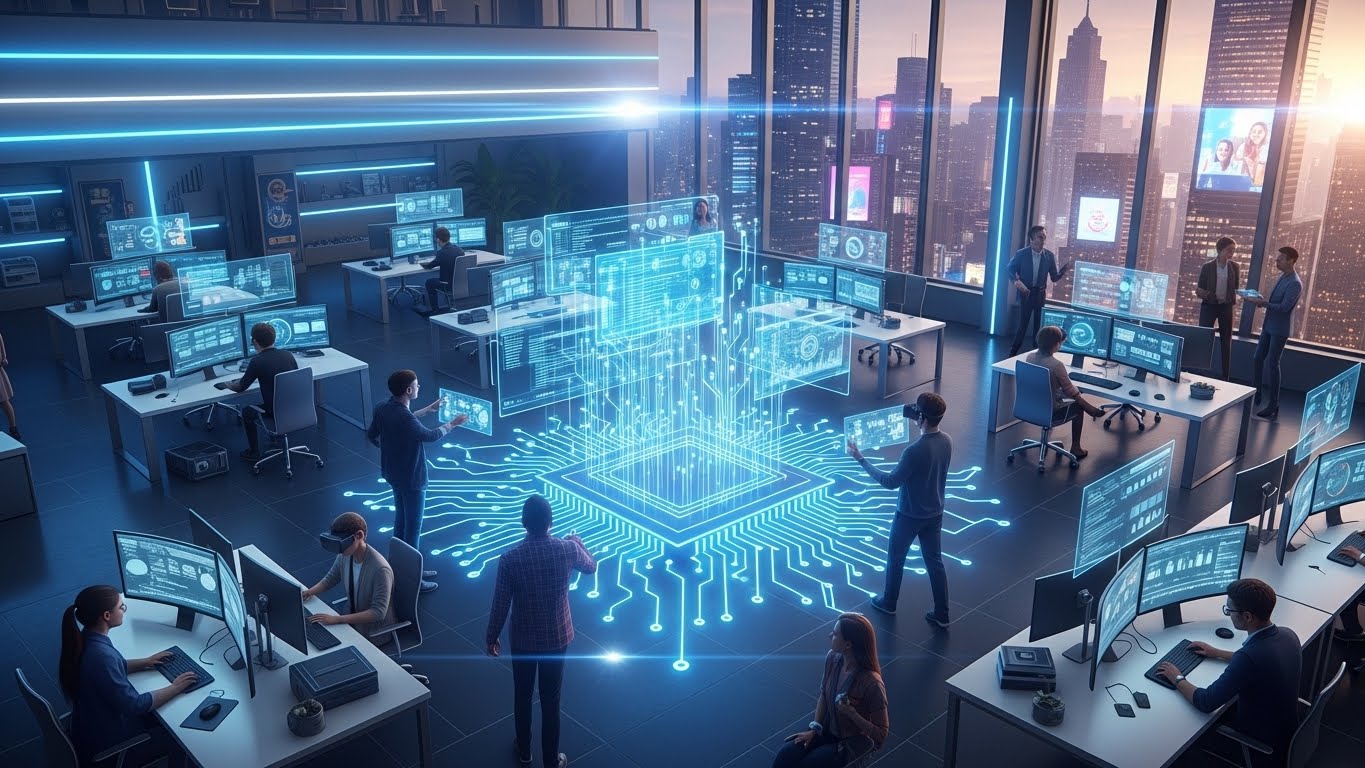
In today’s fast-paced world, technology is not just an enabler; it is the driving force behind most industries, economies, and day-to-day activities. Over the last few decades, technological advancements have reshaped the way we live, work, communicate, and even think. From smartphones and social media to artificial intelligence (AI) and virtual reality (VR), innovations are accelerating at an unprecedented pace. In this post, we’ll explore how these innovations are transforming various sectors, the benefits they bring, the challenges they pose, and what the future holds for technology and society.
The Rise of Artificial Intelligence
Artificial intelligence, once the realm of science fiction, is now a cornerstone of modern technology. AI is revolutionizing industries by automating complex tasks, predicting trends, enhancing decision-making, and driving efficiencies. We see AI’s influence across sectors like healthcare, finance, retail, and even entertainment.
In healthcare, AI-driven diagnostic tools are improving accuracy and efficiency. Algorithms can analyze medical data and assist doctors in identifying diseases at an early stage, offering the potential for more personalized treatments. In the finance sector, AI models are used for everything from fraud detection to predicting stock market trends. AI’s ability to analyze vast amounts of data and generate insights is changing how businesses operate, making processes faster and smarter.
Despite its many advantages, AI also raises questions about ethics, job displacement, and privacy. As AI continues to evolve, it will be important to address these issues to ensure that it benefits society as a whole without compromising individual rights.
The Internet of Things (IoT): Connecting the World
The Internet of Things (IoT) refers to the network of connected devices that can communicate and share data with one another. From smart home gadgets like thermostats and lights to wearable health trackers, IoT is transforming how we interact with the world around us.
One of the most significant impacts of IoT is in smart homes. Home automation systems, powered by IoT, allow users to control everything from lighting and security cameras to refrigerators and air conditioning units with a single smartphone. These technologies improve energy efficiency, enhance security, and offer convenience.
Beyond homes, IoT is revolutionizing industries. In agriculture, farmers use IoT sensors to monitor crop health, soil conditions, and weather patterns, enabling more sustainable farming practices. In manufacturing, IoT devices monitor equipment performance and predict maintenance needs, preventing downtime and reducing costs. As the IoT ecosystem expands, it will create a more connected and efficient world.
The Era of 5G: A New Connectivity Frontier
One of the most anticipated technological advancements is the rollout of 5G networks. 5G, the fifth generation of mobile network technology, promises faster speeds, lower latency, and the ability to connect more devices simultaneously. This leap forward in connectivity will have far-reaching implications for industries ranging from healthcare and transportation to entertainment and education.
For consumers, 5G will mean faster download and upload speeds, better video streaming quality, and improved virtual and augmented reality experiences. For businesses, 5G will enable real-time data transfer, which is essential for technologies like autonomous vehicles and remote surgery. The ultra-low latency of 5G networks will enable almost instant communication between devices, which is crucial for industries that rely on real-time data, such as logistics and manufacturing.
However, the widespread adoption of 5G also presents challenges. There are concerns about data security, privacy, and the environmental impact of deploying the required infrastructure. As 5G networks continue to roll out worldwide, it will be essential to address these challenges to ensure the technology can be used safely and responsibly.
Blockchain: A Revolution in Data Security
Blockchain technology, the backbone of cryptocurrencies like Bitcoin, has extended its reach far beyond digital currencies. At its core, blockchain is a decentralized ledger that allows data to be stored across a network of computers, making it more secure, transparent, and resistant to tampering.
In addition to cryptocurrencies, blockchain has numerous applications in various industries. In supply chain management, it enables companies to track products from their origin to the end consumer, ensuring transparency and reducing fraud. In healthcare, blockchain can securely store patient data, allowing healthcare providers to access accurate, real-time information while ensuring privacy. Financial institutions use blockchain for faster, more secure transactions, reducing the risk of fraud and improving cross-border payments.
Despite its promise, blockchain faces challenges in scalability, energy consumption, and regulatory uncertainty. As the technology matures, solutions to these issues will need to be found to unlock its full potential across industries.
The Impact of Virtual and Augmented Reality
Virtual reality (VR) and augmented reality (AR) have captured the imagination of consumers and businesses alike. While VR immerses users in entirely digital worlds, AR overlays digital elements onto the real world. Both technologies have applications in gaming, entertainment, education, and even healthcare.
In gaming, VR offers players the ability to enter virtual worlds and interact with them in ways traditional gaming cannot provide. AR, on the other hand, enhances physical environments by adding digital elements, such as Pokémon in Pokémon GO, which revolutionized the mobile gaming experience.
Beyond entertainment, VR and AR are also changing how people learn and work. In education, VR allows students to visit historical sites, experience scientific phenomena, and practice real-world skills in a virtual setting. For healthcare, VR is used for surgical training, pain management, and rehabilitation, offering safe environments for practice and recovery.
The challenges for VR and AR include the need for powerful hardware, high-quality content, and widespread adoption. However, as the technologies improve and become more accessible, they are likely to reshape how we interact with both the digital and physical worlds.
The Role of Automation and Robotics
Automation and robotics are among the most transformative forces in modern technology. Automation involves using machines, software, and algorithms to perform tasks that traditionally required human labor, while robotics deals with the design, construction, and use of robots in various industries.
In manufacturing, robots are used to perform repetitive tasks with precision and speed, improving production efficiency and reducing human error. In logistics, autonomous vehicles are being used for deliveries, cutting down on costs and improving delivery times. Similarly, in agriculture, drones and automated machinery help with planting, monitoring crops, and harvesting.
While automation and robotics bring numerous benefits, they also raise concerns about job displacement. As more tasks are automated, certain jobs may become obsolete, leading to challenges in employment and income distribution. Governments and businesses will need to find ways to manage these changes, including providing reskilling opportunities for workers.
Cybersecurity: Safeguarding the Digital World
As our reliance on technology increases, so do the risks associated with digital threats. Cybersecurity is more important than ever in protecting sensitive data, financial transactions, and even national security. Cyberattacks, such as data breaches, ransomware, and phishing scams, have become common occurrences, highlighting the need for robust security measures.
Businesses are investing in advanced cybersecurity solutions, including AI-powered security systems that can detect and respond to threats in real-time. Encryption and multi-factor authentication are becoming standard practices to secure personal and business data. However, as cyber threats evolve, so must the strategies to counter them.
On an individual level, cybersecurity awareness is critical. Users must adopt best practices, such as using strong passwords, avoiding suspicious links, and staying informed about emerging threats to stay safe online.
The Future of Technology: What Lies Ahead?
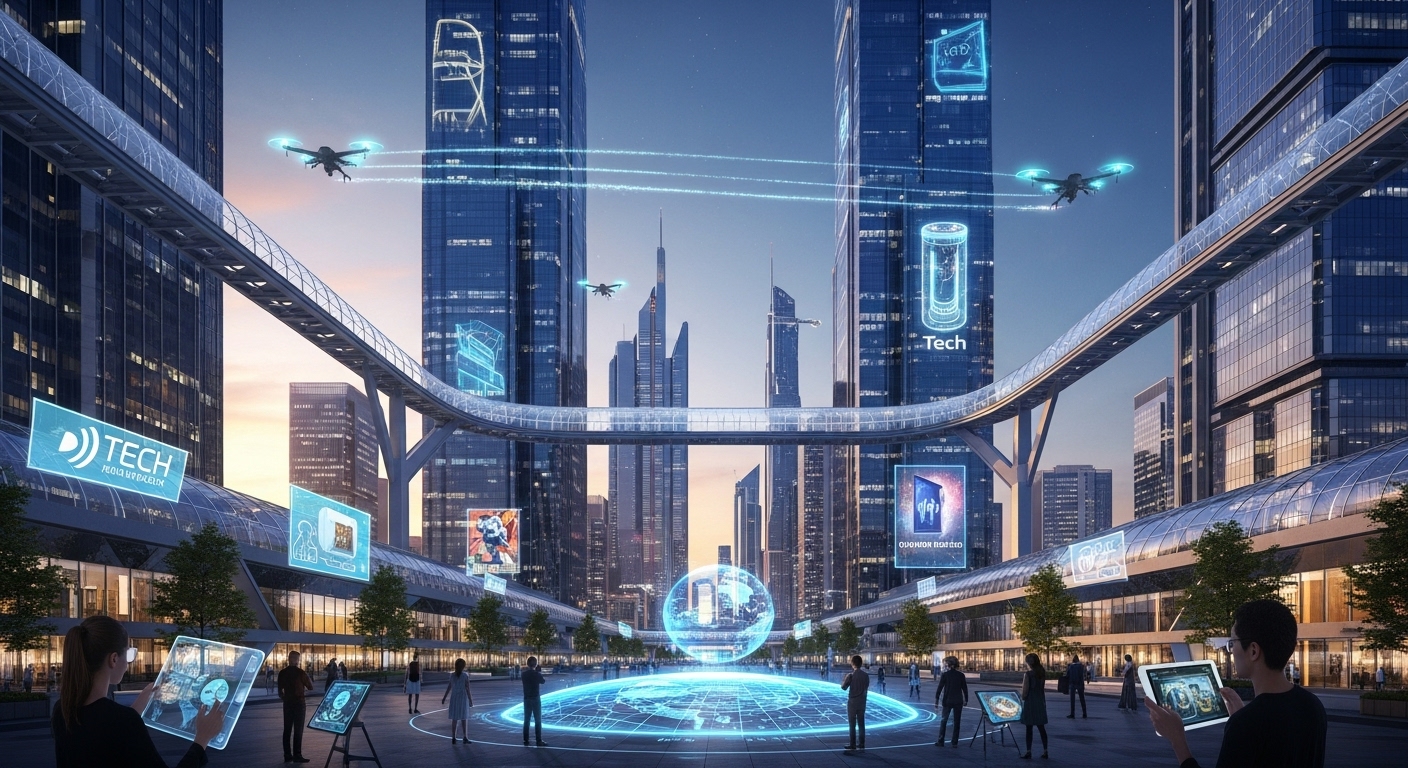
The future of technology promises to be even more transformative, with advancements on the horizon that will impact every aspect of life. From quantum computing and advanced AI to personalized medicine and space exploration, the next few decades will bring about groundbreaking changes.
Quantum computing, for example, holds the potential to revolutionize industries by solving problems that are currently beyond the capability of classical computers. In healthcare, advances in genomics and biotechnology may lead to personalized treatments and cures for previously untreatable diseases.
Space exploration is also poised for major advancements, with private companies like SpaceX and Blue Origin pushing the boundaries of space travel. The possibility of colonizing other planets, or at least using space for resource exploration, is becoming increasingly plausible.
As technology continues to advance, society will need to address ethical, legal, and economic challenges. Ensuring that these technologies are used for the benefit of all, rather than just a select few, will be essential for creating a future that is both innovative and equitable.
Conclusion
Technology has already made a profound impact on the world, transforming how we live, work, and interact. From AI and blockchain to VR and automation, innovations continue to shape the future of every industry. While these advancements present enormous opportunities, they also come with challenges that require careful consideration and responsible management.
As we move forward, the future of technology will depend on how well we balance progress with ethical considerations, security, and inclusivity. The next generation of technologies holds the potential to change the world in ways we can only begin to imagine—provided we remain committed to shaping that future for the benefit of all.