
Introduction: Technology Beyond Devices
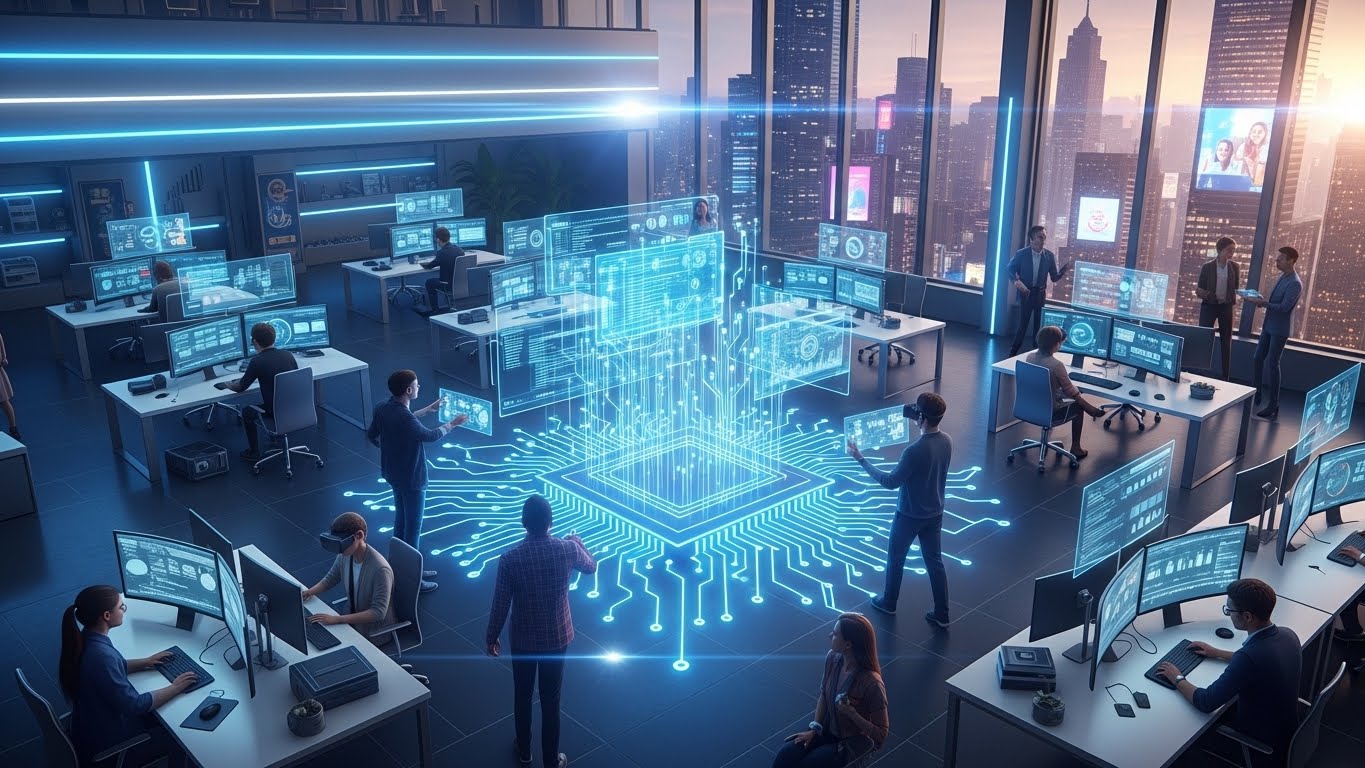
Technology today is no longer limited to machines, screens, or software applications. It has quietly moved into the way humans think, decide, communicate, and even imagine the future. Unlike past technological shifts that were loud and visible, this transformation is subtle. It happens in the background of daily life, shaping behavior without demanding attention. From the way we process information to how we solve problems, technology has become an invisible partner in human cognition.
This blog explores how modern technology is reshaping human thinking, decision-making, creativity, and identity, not through dramatic inventions alone, but through constant, quiet influence.
The Evolution of Human-Tech Interaction
In earlier decades, technology was a tool used at specific moments. People turned on a computer to complete a task, made a phone call, or watched television at a scheduled time. Today, technology is always present. Smartphones, cloud systems, and intelligent software operate continuously, creating an uninterrupted relationship between humans and machines.
This shift has changed the role of technology from a helper to a companion. People no longer ask whether to use technology; they assume its presence. This assumption has altered how quickly people expect answers, how they value patience, and how they perceive effort.
Attention in the Age of Constant Stimulation
One of the most noticeable impacts of technology is on human attention. Notifications, updates, and alerts compete for focus throughout the day. The brain adapts by learning to switch tasks rapidly rather than concentrating deeply on one activity.
While this adaptability can be useful, it also creates challenges. Deep thinking, long-form reading, and sustained problem-solving require uninterrupted focus. As technology encourages shorter attention spans, individuals must consciously relearn how to slow down their thinking processes.
The result is a mental environment where speed is rewarded more than depth, and reaction often replaces reflection.
Decision-Making in a Data-Driven World
Technology has changed how decisions are made. Algorithms recommend what to watch, what to buy, and even how to navigate daily routes. While these systems save time, they also reduce the number of decisions people actively make.
Over time, reliance on automated suggestions can weaken intuition and critical thinking. When people trust systems without questioning them, decision-making becomes passive rather than intentional. The challenge is not the presence of intelligent systems, but the loss of human engagement in the decision process.
Balanced use of technology requires awareness of when to accept guidance and when to rely on personal judgment.
The Redefinition of Intelligence
Traditional intelligence was once measured by memory, calculation, and factual recall. Today, machines outperform humans in these areas. As a result, the definition of intelligence is shifting toward creativity, emotional understanding, ethical reasoning, and adaptability.
Modern technology forces humans to ask a new question: what makes human intelligence unique? The answer lies not in speed or storage, but in imagination, empathy, and moral reasoning. Technology is pushing humans to focus on qualities that cannot be easily replicated by machines.
This redefinition is reshaping education, work environments, and personal development goals.
Creativity in Collaboration With Machines
Contrary to the fear that technology kills creativity, it has opened new creative possibilities. Artists, writers, designers, and musicians now collaborate with digital tools that expand their capabilities.
Technology provides inspiration, variation, and experimentation at a scale never before possible. However, creativity still depends on human intention. Machines generate options, but humans assign meaning. The creative process becomes a dialogue rather than a solo effort.
This partnership challenges the idea of originality and encourages a new understanding of authorship and expression.
Communication and the Changing Nature of Language
Technology has transformed communication from deliberate messages into continuous exchanges. Short texts, emojis, voice notes, and video messages have created new forms of language that prioritize emotion and speed over structure.
While this evolution increases connectivity, it also alters how people express complex thoughts. Nuance and depth can be lost in favor of immediacy. At the same time, technology allows people from different cultures and languages to communicate more easily than ever before.
The challenge is preserving clarity and meaning in a fast-paced communication environment.
Identity in the Digital Age
Technology has blurred the boundary between physical and digital identity. Online profiles, digital footprints, and virtual interactions contribute to how individuals see themselves and how others perceive them.
People curate versions of themselves through technology, often emphasizing success, happiness, or productivity. This curation can create pressure to perform rather than exist authentically. The comparison culture enabled by technology can influence self-worth and confidence.
Understanding the difference between digital representation and personal reality is essential for mental well-being.
Technology and Ethical Responsibility
As technology becomes more powerful, ethical responsibility becomes more complex. Decisions once made by humans are now influenced or executed by systems. Questions of fairness, bias, accountability, and transparency arise.
Ethics can no longer be an afterthought in technological development. Designers, developers, and users all share responsibility. Human values must guide technological progress, not follow it.
The future of technology depends on whether humans can align innovation with integrity.
The Workplace and Cognitive Transformation
Modern workplaces are shaped by technology-driven efficiency. Automation handles repetitive tasks, while humans focus on strategy and creativity. This shift demands new thinking skills such as adaptability, continuous learning, and collaboration.
However, constant connectivity also blurs work-life boundaries. The brain remains in a semi-working state, reducing opportunities for rest and reflection. Sustainable productivity requires intentional disconnection and mental recovery.
The future of work is not just about smarter tools, but healthier thinking patterns.
Learning in a Technological Environment
Education has been transformed by digital access to information. Learning is no longer limited to classrooms or textbooks. While this democratization of knowledge is powerful, it also changes how people learn.
Instead of memorization, learning now emphasizes understanding, application, and evaluation. However, easy access to information can discourage deep study. True learning still requires effort, curiosity, and critical engagement.
Technology should support learning, not replace the learning process itself.
The Psychological Impact of Always Being Connected
Being constantly connected creates psychological pressure. The expectation to respond quickly, stay updated, and remain visible can lead to mental fatigue. Silence becomes uncomfortable, and boredom is avoided rather than embraced.
Yet boredom has historically been a source of creativity and reflection. Technology reduces these mental pauses, filling every moment with stimulation. Reclaiming quiet time is essential for emotional balance and self-awareness.
Mindful use of technology allows the brain to rest and reset.
The Future of Human Thinking
As technology continues to evolve, human thinking will continue to adapt. The goal is not to resist technology, but to shape the relationship intentionally. Humans must decide how much control to give and how much to retain.
The future belongs to those who can think critically, act ethically, and remain emotionally intelligent in a digital world. Technology is a powerful amplifier, but it reflects the values of those who use it.
Human thinking must remain the guiding force behind innovation.
Conclusion: Choosing Conscious Technology Use
Technology is not inherently good or bad. Its impact depends on how consciously it is used. The silent revolution happening in human thinking is an opportunity, not a threat. It invites individuals to redefine intelligence, creativity, and identity in meaningful ways.
By understanding technology’s influence on the mind, people can reclaim control over attention, decisions, and values. The true power of technology lies not in what it can do, but in how wisely humans choose to use it.
The future is not written by machines alone. It is written by human thought, guided by intention, and shaped by responsibility.