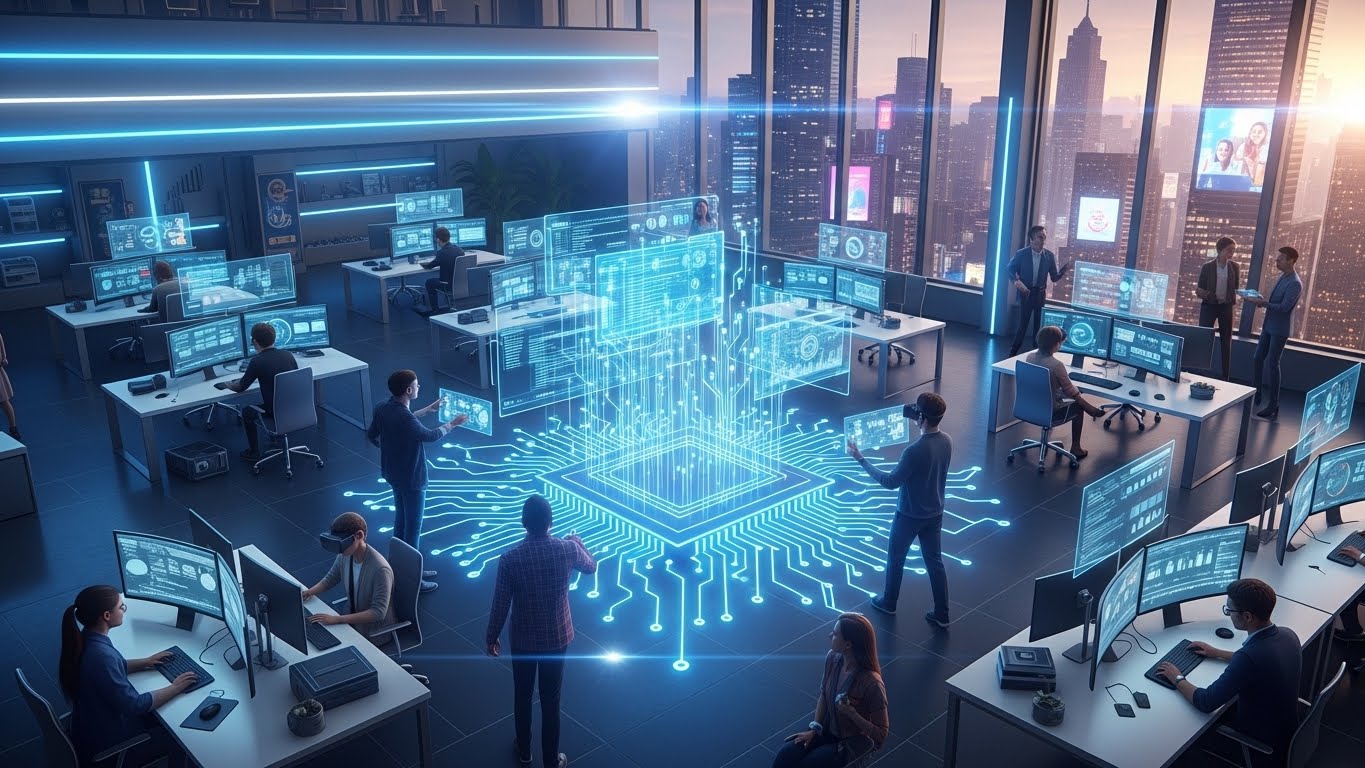

In the 21st century, technology has evolved beyond being a mere tool; it has become an integral part of human existence. From the smartphones in our pockets to the algorithms that power global industries, technology shapes how we communicate, work, learn, and entertain ourselves. Its transformative impact is undeniable, touching nearly every aspect of our lives, often in ways we barely notice. This blog explores the various dimensions of technology, its influence on society, the economy, and individual life, and what the future might hold.
The Evolution of Technology
Technology has always been a reflection of human ingenuity. The journey from the invention of the wheel to the creation of artificial intelligence demonstrates the incredible pace at which human innovation has progressed. Early technological advancements were primarily mechanical, designed to solve basic problems like transportation, agriculture, and communication. Over time, technology became more sophisticated, integrating electricity, computing, and telecommunications to create systems that significantly enhanced productivity and convenience.
The invention of the internet in the late 20th century marked a pivotal moment. Suddenly, information could traverse the globe in milliseconds, connecting people, businesses, and governments in unprecedented ways. This connectivity has given rise to the digital age, where knowledge, entertainment, and commerce exist in an interconnected virtual space.
The Role of Smartphones in Modern Society
Among modern technological marvels, the smartphone stands out as the most ubiquitous and transformative. These devices are no longer just tools for making calls—they are portable computers, cameras, entertainment centers, and personal assistants. The smartphone has revolutionized communication by enabling instant messaging, video calls, and social media interaction, shrinking the world into a network of continuous connectivity.
Moreover, smartphones have redefined commerce. Mobile payment systems, digital wallets, and e-commerce apps have made financial transactions faster, more secure, and convenient. Businesses leverage smartphones to reach customers directly through apps, notifications, and personalized marketing. The implications are profound: a single device in the hands of a consumer can access global markets, revolutionizing the way commerce operates.
Artificial Intelligence: The Next Frontier
Artificial intelligence (AI) is one of the most significant technological advancements of our time. AI systems can analyze vast amounts of data, recognize patterns, and make decisions faster than humans. This capability has led to groundbreaking applications in various sectors. In healthcare, AI aids in diagnosing diseases, predicting patient outcomes, and personalizing treatment plans. In finance, it powers algorithmic trading, fraud detection, and customer service automation. Even creative fields like art and music have started exploring AI-generated works, challenging traditional notions of creativity.
The ethical implications of AI are equally important. As machines take on tasks traditionally performed by humans, questions about job displacement, bias, and accountability arise. Ensuring that AI develops responsibly, with transparency and fairness, is a central challenge for technologists and policymakers alike.
The Internet of Things and Smart Living
The Internet of Things (IoT) represents a world where everyday objects are interconnected through the internet, collecting and exchanging data. From smart thermostats that optimize home energy usage to wearable devices that monitor health, IoT enhances convenience, efficiency, and quality of life. In cities, IoT enables smart traffic management, intelligent public transportation systems, and real-time environmental monitoring, improving urban living conditions.
However, the proliferation of connected devices also raises concerns about privacy and security. As our homes, cars, and personal devices collect sensitive information, robust cybersecurity measures are critical to prevent data breaches and protect user privacy.
The Revolution in Transportation Technology
Transportation has undergone a technological revolution, transforming mobility and logistics. Electric vehicles (EVs) are replacing traditional combustion engines, reducing carbon emissions and reshaping the automotive industry. Self-driving cars, powered by AI and sensor technologies, promise to enhance road safety, optimize traffic flow, and redefine personal transportation.
Beyond cars, innovations in air travel, hyperloop systems, and drone delivery are redefining how goods and people move across distances. These advancements not only improve efficiency but also have environmental implications, potentially reducing reliance on fossil fuels and lowering carbon footprints.
Technology in Healthcare
Healthcare technology has seen remarkable advancements, transforming the way medical services are delivered and experienced. Telemedicine allows patients to consult doctors remotely, making healthcare accessible even in remote areas. Wearable devices monitor vital signs in real time, enabling proactive health management. Robotic surgery and precision medicine have enhanced treatment outcomes, reducing risks and improving recovery times.
Medical research also benefits from computational technologies. Advanced algorithms accelerate drug discovery, simulate disease models, and analyze genetic data, opening new frontiers in personalized medicine. The integration of technology in healthcare is not just about convenience; it directly impacts the quality of life and longevity.
Education in the Digital Era
Technology has revolutionized education, breaking the barriers of geography and resources. Online learning platforms, virtual classrooms, and digital textbooks provide students with access to a wealth of information that was once limited to traditional classrooms. Interactive tools like simulations, gamified learning, and AI-driven tutoring personalize the educational experience, catering to individual learning styles and pacing.
Moreover, technology facilitates global collaboration, enabling students and educators to connect across borders. This interconnectedness fosters cultural understanding, diverse perspectives, and innovation, preparing learners for a world where digital literacy is a fundamental skill.
The Impact of Social Media
Social media platforms have redefined human interaction, creating new avenues for communication, self-expression, and community building. Platforms like Facebook, Instagram, and TikTok allow individuals to share experiences, ideas, and creativity on a global scale. Social media has also become a powerful tool for businesses, enabling targeted advertising and customer engagement.
However, the influence of social media is a double-edged sword. While it fosters connectivity, it also raises concerns about mental health, privacy, and misinformation. The challenge lies in leveraging the benefits of social media while mitigating its adverse effects on individuals and society.
Cybersecurity in an Interconnected World
As technology becomes more integrated into daily life, cybersecurity emerges as a critical concern. The increasing reliance on digital systems makes individuals, businesses, and governments vulnerable to cyberattacks. Ransomware, phishing, and data breaches are common threats that can have severe financial and reputational consequences.
Addressing cybersecurity requires a multi-layered approach, including robust encryption, threat detection systems, user education, and regulatory frameworks. It is not just a technical challenge but a societal one, as digital safety becomes essential for trust and stability in the modern world.
The Future of Work
Technology is reshaping the workforce in profound ways. Automation and AI are transforming industries, replacing repetitive tasks with intelligent systems and freeing humans for more creative, strategic roles. Remote work technologies, collaboration tools, and cloud computing have changed the nature of work, enabling flexibility and global talent integration.
However, this shift requires adaptation. Workers must continuously develop new skills to remain relevant in a technology-driven economy. Lifelong learning, digital literacy, and adaptability are no longer optional but essential traits for thriving in the modern workplace.
Entertainment and Technology
The entertainment industry has been transformed by technology, altering how content is created, distributed, and consumed. Streaming platforms, virtual reality, and augmented reality offer immersive experiences that were once the realm of imagination. Gaming technology has evolved into a major cultural and economic force, blending storytelling, interactivity, and social engagement.
Advancements in technology also democratize content creation. Individuals can produce, edit, and share high-quality videos, music, and digital art without the need for traditional studio infrastructure. This democratization fosters creativity, innovation, and new forms of cultural expression.
Environmental Technology and Sustainability
Technology plays a critical role in addressing environmental challenges. Renewable energy solutions, such as solar and wind power, are replacing fossil fuels, reducing greenhouse gas emissions. Smart grids optimize energy distribution, and advanced recycling technologies minimize waste. Environmental monitoring tools track pollution, climate patterns, and natural resource usage, guiding sustainable policies and practices.
Innovations like precision agriculture, water purification technologies, and electric mobility contribute to a more sustainable future. Technology is not just a convenience but a necessary tool in combating climate change and ensuring the planet’s health for future generations.
Challenges and Ethical Considerations
While technology brings immense benefits, it also presents challenges. Ethical concerns arise in areas such as AI decision-making, genetic engineering, data privacy, and surveillance. Technology can exacerbate social inequalities if access is uneven, creating a digital divide between those with and without resources.
Addressing these challenges requires collaboration among governments, businesses, and individuals. Policies must balance innovation with responsibility, ensuring that technology serves humanity rather than undermining it.
The Future of Technology
The future of technology promises even more profound changes. Quantum computing could revolutionize computation, enabling solutions to problems previously thought unsolvable. Brain-computer interfaces may blur the line between human cognition and machines. Space exploration technology could open new frontiers for humanity beyond Earth.
As we move forward, the key will be aligning technological progress with human values. Innovation should enhance life, empower individuals, and foster sustainability. The journey ahead is filled with potential, but it requires careful thought, ethical consideration, and responsible stewardship.
Conclusion
Technology is no longer a peripheral element of modern life; it is the driving force shaping society, economy, and culture. Its influence touches every domain, from communication and healthcare to transportation and entertainment. While it brings unprecedented opportunities, it also poses challenges that require vigilance, ethical foresight, and inclusive policies.
Embracing technology responsibly allows humanity to harness its transformative power while mitigating risks. As we continue to innovate and explore new possibilities, one thing remains certain: technology will remain at the heart of our journey into the future, shaping how we live, learn, work, and dream.