
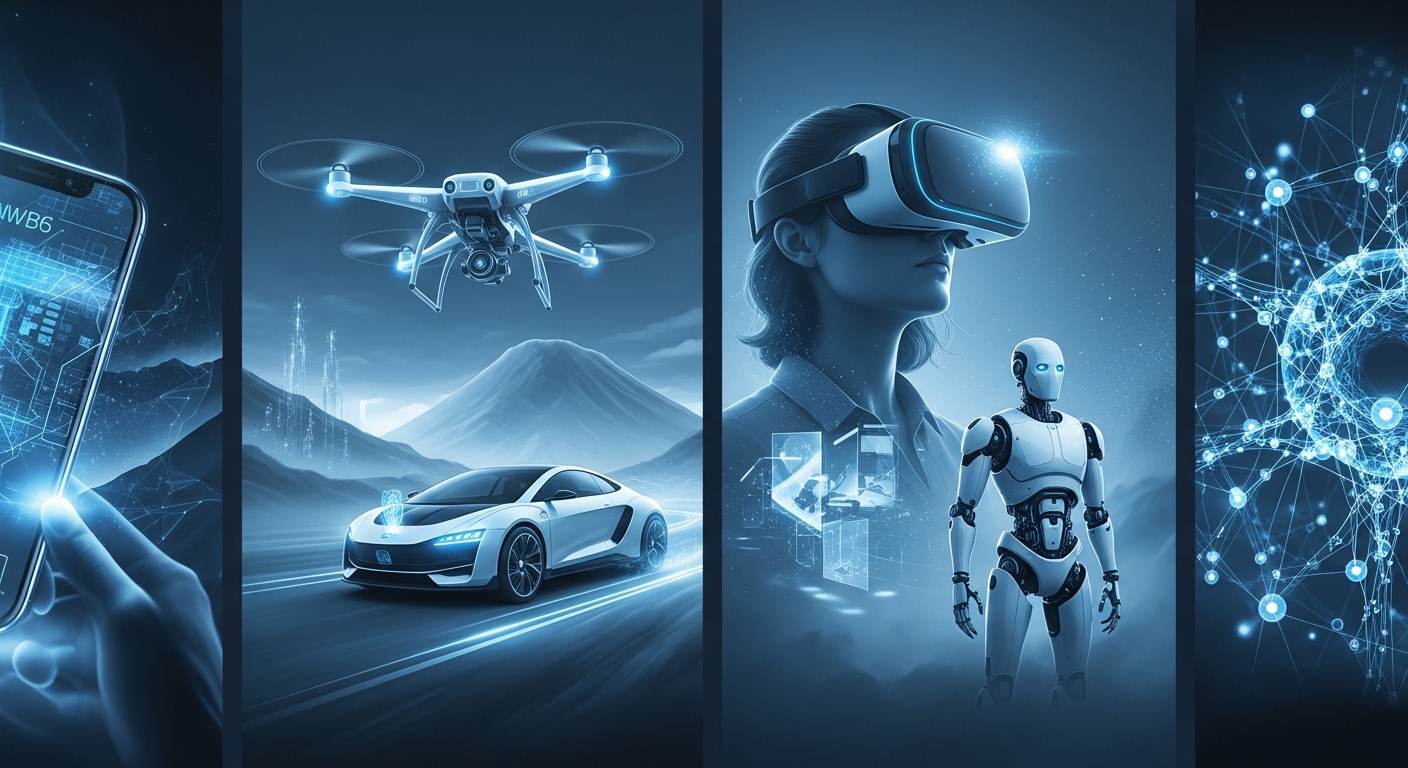
Technology has always played a pivotal role in shaping human civilization. From the invention of the wheel to the rise of the internet, each technological advancement has redefined the way humans live, work, and interact. In today’s modern era, technology is not just a tool; it is a driving force behind innovation, productivity, and social change. The rapid pace of technological development has revolutionized industries, economies, and lifestyles, making it impossible to imagine a world without digital integration. This blog explores the various facets of technology, its current trends, and its profound impact on society.
The Evolution of Technology
The story of technology is the story of human progress. Early technological innovations focused on survival, agriculture, and basic communication. Tools such as the wheel, the plow, and simple machines paved the way for human advancement. With the Industrial Revolution, technology shifted towards mechanization and mass production, transforming economies and urban landscapes.
The 20th century brought about the digital revolution, which introduced computers, the internet, and mobile devices. These innovations enabled global connectivity, instant access to information, and automation of complex processes. The pace of change accelerated rapidly, setting the stage for the technological landscape we experience today.
Artificial Intelligence and Machine Learning
One of the most transformative technologies of the modern era is artificial intelligence (AI). AI refers to the ability of machines to perform tasks that traditionally required human intelligence, including learning, reasoning, problem-solving, and language comprehension. Machine learning, a subset of AI, allows computers to improve their performance over time by analyzing data patterns.
AI has become integral to various sectors, from healthcare to finance, education, and entertainment. In healthcare, AI algorithms assist in diagnosing diseases, analyzing medical images, and predicting patient outcomes. In finance, AI enables fraud detection, algorithmic trading, and personalized financial advice. The impact of AI is not limited to professional domains; everyday life experiences such as voice assistants, recommendation systems, and smart home devices rely heavily on AI-driven technologies.
Cloud Computing: Powering the Digital World
Cloud computing has revolutionized the way organizations store, manage, and process data. By leveraging remote servers hosted on the internet, businesses can access computing resources on-demand without maintaining physical infrastructure. This shift has reduced costs, enhanced scalability, and enabled innovation at an unprecedented pace.
Cloud platforms allow organizations to deploy applications, manage databases, and analyze large volumes of data efficiently. They also support collaboration by providing real-time access to shared documents and resources. The flexibility and efficiency of cloud computing have become crucial, especially in an era where remote work and global collaboration are commonplace.
The Internet of Things: Connecting Everything
The Internet of Things (IoT) represents a world where devices, sensors, and systems are interconnected through the internet. IoT enables devices to collect, exchange, and act upon data, creating a seamless network of smart technologies. From wearable fitness trackers to smart refrigerators, IoT has transformed everyday living by making objects more intelligent and responsive.
In industries, IoT facilitates predictive maintenance, supply chain optimization, and enhanced operational efficiency. Cities are becoming smarter through IoT-enabled traffic management, energy-efficient systems, and automated public services. The potential of IoT is immense, promising a future where devices communicate autonomously to improve convenience, safety, and productivity.
Cybersecurity: Safeguarding the Digital Frontier
As technology advances, so do the threats associated with it. Cybersecurity has emerged as a critical concern in the digital age, protecting sensitive information from unauthorized access, breaches, and attacks. Cyber threats can target individuals, corporations, and even governments, emphasizing the need for robust security measures.
Modern cybersecurity involves a combination of technologies, strategies, and human awareness. Encryption, multi-factor authentication, intrusion detection systems, and threat intelligence are some of the tools used to safeguard digital assets. As cyberattacks become increasingly sophisticated, the importance of cybersecurity in maintaining trust and protecting critical infrastructure cannot be overstated.
Blockchain Technology: Revolutionizing Trust and Transparency
Blockchain technology, initially popularized by cryptocurrencies, has expanded far beyond digital money. A blockchain is a decentralized, immutable ledger that records transactions transparently and securely. Its ability to ensure data integrity, traceability, and tamper-proof records has significant implications for various industries.
In finance, blockchain enables secure and transparent transactions without intermediaries. Supply chain management benefits from real-time tracking of products, ensuring authenticity and reducing fraud. Even voting systems, healthcare records, and intellectual property management are exploring blockchain to enhance transparency and trust. The decentralized nature of blockchain challenges traditional systems and introduces innovative solutions for modern problems.
Robotics and Automation: Redefining Work
Robotics and automation have transformed manufacturing, logistics, healthcare, and service industries. Robots equipped with advanced sensors and AI can perform repetitive, precise, or hazardous tasks more efficiently than humans. Automation reduces operational costs, improves productivity, and ensures consistent quality.
In manufacturing, robotic arms assemble products with remarkable precision. In logistics, automated warehouses and delivery drones streamline supply chain operations. In healthcare, surgical robots assist doctors in performing delicate procedures with minimal invasiveness. While automation raises concerns about job displacement, it also creates opportunities for upskilling and new roles that require human creativity and oversight.
Virtual Reality and Augmented Reality: Blurring Realities
Virtual reality (VR) and augmented reality (AR) technologies are reshaping entertainment, education, and professional training. VR immerses users in fully digital environments, while AR overlays digital information onto the real world. These technologies offer experiential learning, interactive simulations, and immersive gaming experiences.
In education, VR enables students to explore historical sites or conduct virtual experiments. In real estate, AR allows potential buyers to visualize properties in three dimensions. VR and AR also enhance remote collaboration, enabling teams to interact in virtual workspaces. As hardware and software continue to advance, these immersive technologies are becoming more accessible and transformative.
5G Technology: Enabling the Next Generation of Connectivity
The rollout of 5G networks represents a significant leap in mobile connectivity. With higher speeds, lower latency, and greater capacity, 5G facilitates seamless communication, enhanced streaming, and real-time data processing. It serves as a foundation for emerging technologies like autonomous vehicles, IoT, and smart cities.
5G networks enable faster downloads, high-quality video streaming, and improved online gaming experiences. For industries, 5G supports remote operations, telemedicine, and industrial automation. The speed and reliability of 5G networks are essential for the next wave of technological innovation, making digital experiences faster, smarter, and more immersive.
Ethical Considerations in Technology
As technology becomes more integrated into daily life, ethical considerations become increasingly important. AI biases, privacy concerns, data ownership, and surveillance are critical issues that require careful attention. Ethical technology involves designing and deploying systems that prioritize fairness, transparency, and human well-being.
For instance, AI systems must be trained on diverse and unbiased datasets to avoid discriminatory outcomes. Data collection should respect privacy and comply with legal frameworks. Organizations must balance innovation with responsibility, ensuring that technological progress benefits society without compromising ethical standards.
Technology and the Future of Work
The future of work is closely tied to technological advancements. Automation, AI, and remote collaboration tools are reshaping traditional job roles and skill requirements. Workers are increasingly expected to adapt to digital workflows, embrace continuous learning, and leverage technology to enhance productivity.
While some roles may be replaced by automation, new opportunities are emerging in AI development, cybersecurity, data analysis, and digital content creation. Upskilling and reskilling are essential strategies for staying relevant in a tech-driven economy. The convergence of human creativity and technological capabilities promises a more flexible, efficient, and innovative workforce.
Environmental Technology: Sustainable Innovation
Technology is also playing a crucial role in addressing environmental challenges. Renewable energy solutions, smart grids, electric vehicles, and energy-efficient systems contribute to sustainable development. Environmental monitoring technologies, such as sensors and satellites, provide data to manage natural resources and combat climate change.
Innovations in clean technology, including solar panels, wind turbines, and water purification systems, are transforming industries and communities. By leveraging technology for environmental sustainability, humanity can pursue economic growth while minimizing ecological impact. The intersection of technology and sustainability represents a pathway to a greener, more resilient future.
Conclusion
Technology is an ever-evolving force that shapes every aspect of human life. From AI and robotics to cloud computing, IoT, and sustainable innovations, modern technology continues to redefine the possibilities of society. Its impact spans industries, economies, and personal lives, offering unprecedented opportunities and challenges.
As we navigate this digital era, it is essential to embrace technology responsibly, ensuring ethical practices, security, and inclusivity. The future promises even more transformative breakthroughs, and those who adapt, innovate, and understand the potential of technology will be at the forefront of progress.
The journey of technology is far from over. Each advancement opens new horizons, challenging us to think creatively, act responsibly, and leverage innovation for the betterment of humanity. In the modern era, technology is not just a tool—it is the foundation of our collective future.