
Introduction
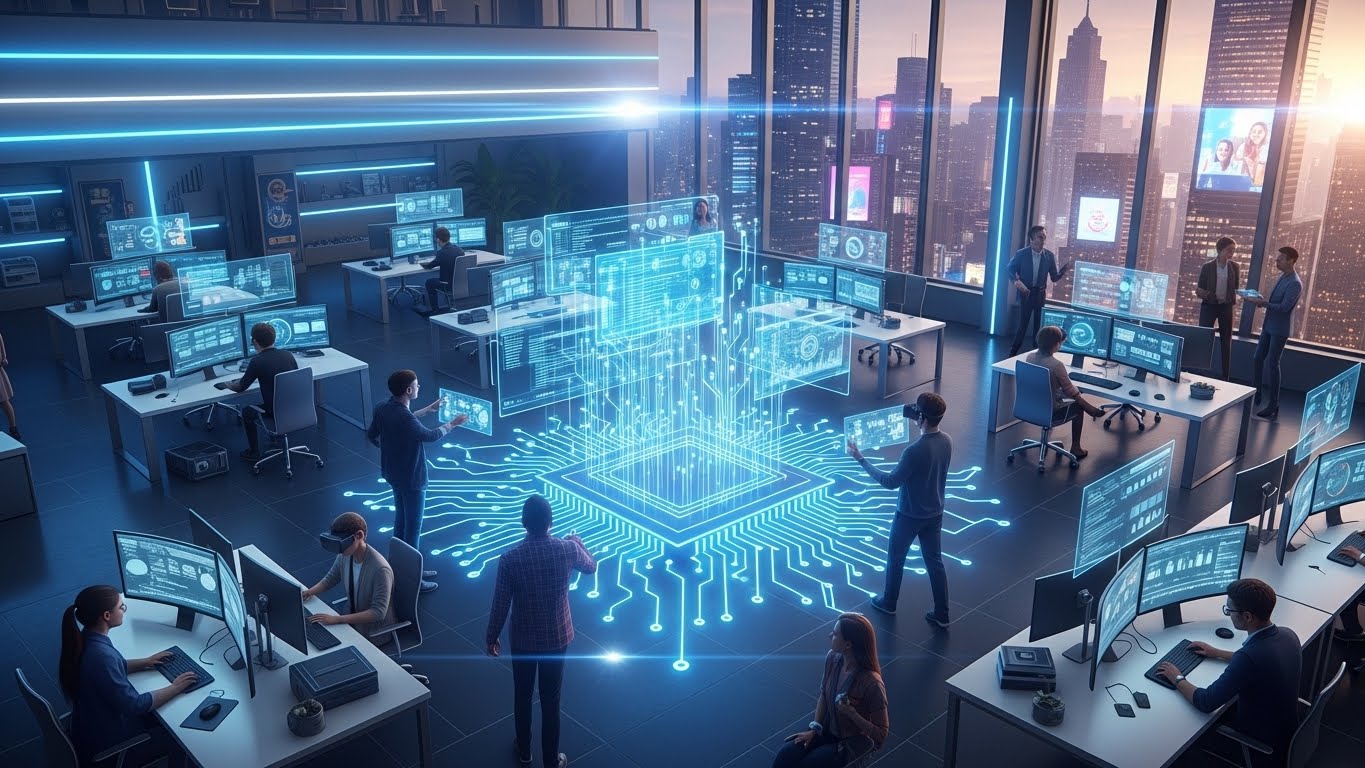
We are living in a time of unparalleled technological advancement. Every day, new innovations emerge, shaping how we live, work, and interact with the world around us. From the rise of artificial intelligence (AI) to the ubiquity of smartphones, technology has fundamentally altered the way we experience life. The digital revolution, which began in the 20th century, continues to unfold, offering new possibilities while also raising questions about the future. This blog will explore how technology is transforming various aspects of society, from business to entertainment, and the profound impact it is having on the world.
The Rise of Artificial Intelligence and Machine Learning
One of the most significant technological advancements in recent years has been the rise of artificial intelligence (AI) and machine learning. AI refers to the development of systems that can mimic human intelligence, while machine learning is a subset of AI that enables computers to learn from data and improve over time without being explicitly programmed. These technologies are rapidly becoming integral parts of our lives, from the virtual assistants we use on our phones to the algorithms that recommend products and movies.
AI is revolutionizing industries such as healthcare, finance, and manufacturing. In healthcare, for example, AI-powered diagnostic tools are being used to analyze medical images, helping doctors detect diseases like cancer at earlier stages. In finance, AI algorithms are being employed to detect fraudulent transactions, optimize investment strategies, and personalize financial services. The potential applications of AI are vast, and as the technology continues to evolve, we can expect to see even more breakthroughs in various fields.
However, the rise of AI also raises important questions about the future of work. As AI and automation become more advanced, many jobs that were once performed by humans could be replaced by machines. While AI has the potential to create new jobs and improve productivity, it also presents challenges that need to be addressed, such as reskilling workers and ensuring that the benefits of AI are distributed fairly.
The Impact of Cloud Computing
Cloud computing has transformed how we store, manage, and access data. In the past, businesses and individuals had to rely on physical storage devices, such as hard drives or servers, to store their information. With the advent of cloud computing, however, data can now be stored remotely on servers managed by cloud providers, making it accessible from anywhere in the world with an internet connection.
Cloud computing has had a profound impact on businesses of all sizes. Small companies, in particular, have benefited from the cost savings and scalability that the cloud offers. Instead of investing in expensive hardware and maintaining their own IT infrastructure, businesses can now rent computing power from cloud providers on a pay-as-you-go basis. This has leveled the playing field, allowing startups and small enterprises to access the same computing resources as large corporations.
For individuals, cloud services like Google Drive, Dropbox, and iCloud have made it easier to store and share documents, photos, and videos across multiple devices. Cloud computing has also paved the way for the rise of streaming services, allowing people to access movies, TV shows, and music from the cloud without needing to download files to their devices. This shift has fundamentally changed how we consume media and has contributed to the rise of subscription-based services like Netflix, Spotify, and Amazon Prime.
The Explosion of the Internet of Things (IoT)
Another major technological trend that has emerged in recent years is the Internet of Things (IoT). The IoT refers to the growing network of devices that are connected to the internet and can communicate with each other. These devices range from everyday household items like smart thermostats and refrigerators to industrial machines and even wearable devices like fitness trackers.
The IoT is transforming how we interact with our environments. Smart homes, for example, allow users to control lighting, heating, security systems, and appliances from their smartphones. This not only provides convenience but also helps to save energy and improve home security. In healthcare, IoT devices like wearable fitness trackers and smartwatches are helping people monitor their health in real-time, providing valuable data to both users and healthcare providers.
In industries such as manufacturing, the IoT is being used to optimize production processes. Sensors embedded in machines can monitor performance, detect issues, and trigger maintenance alerts before problems escalate. This leads to increased efficiency, reduced downtime, and lower operational costs. The IoT also has applications in agriculture, transportation, and logistics, offering new opportunities for optimization and innovation.
While the IoT offers many benefits, it also raises concerns about privacy and security. As more devices become connected to the internet, the risk of cyberattacks increases. It is essential for both consumers and businesses to take steps to secure their IoT devices and protect sensitive data.
Blockchain Technology: The Future of Security and Transparency
Blockchain technology, best known as the foundation for cryptocurrencies like Bitcoin and Ethereum, is gaining traction in various industries due to its ability to provide secure, transparent, and tamper-proof transactions. At its core, blockchain is a decentralized ledger that records transactions across multiple computers, ensuring that the data cannot be altered or erased once it is entered into the system.
Blockchain is transforming industries such as finance, supply chain management, and healthcare. In the financial sector, blockchain enables faster and more secure transactions by eliminating the need for intermediaries like banks. Blockchain also offers a way to reduce fraud, as every transaction is recorded on the ledger and can be traced back to its origin. This level of transparency is particularly valuable in supply chain management, where blockchain can be used to track the movement of goods from production to delivery, ensuring that products are genuine and ethically sourced.
In healthcare, blockchain technology can be used to store and share patient records securely. Patients would have greater control over their data, allowing them to grant access to healthcare providers when necessary while ensuring that their information remains private and secure.
Despite its potential, blockchain is still in the early stages of adoption, and there are challenges to overcome, such as scalability, energy consumption, and regulatory concerns. However, as the technology matures, it is likely to play a central role in shaping the future of digital transactions and data management.
The Mobile Revolution: Changing How We Communicate and Access Information
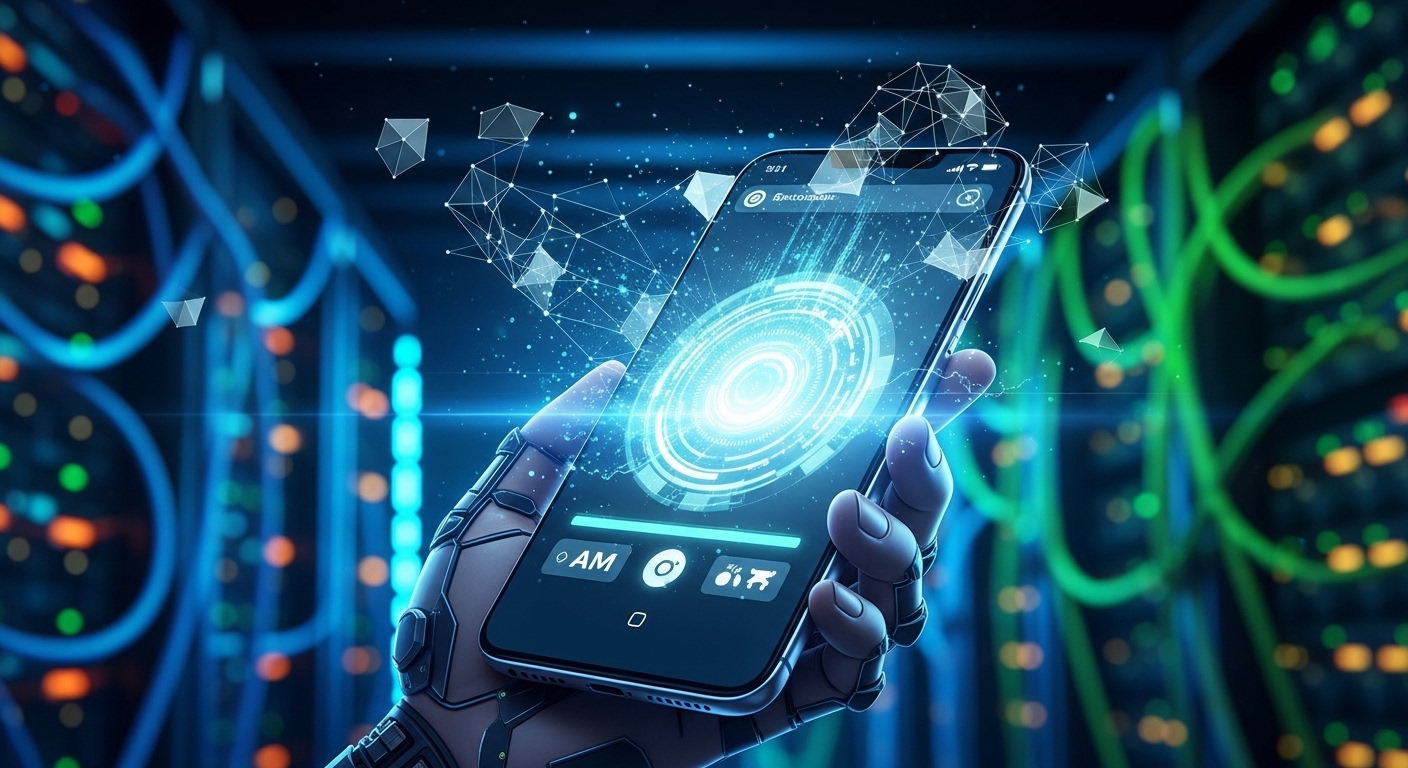
One of the most significant developments in technology over the past two decades has been the rise of mobile devices. The introduction of smartphones has revolutionized how we communicate, work, and access information. These pocket-sized computers have become indispensable tools, enabling us to stay connected with others, manage our schedules, and access the internet from anywhere in the world.
The mobile revolution has transformed industries ranging from communication to entertainment. Social media platforms like Facebook, Twitter, Instagram, and TikTok have become primary means of communication and entertainment for billions of people. Mobile apps allow users to do everything from shopping and banking to tracking their fitness and managing their finances.
The rise of mobile technology has also contributed to the growth of mobile gaming, which has become a multibillion-dollar industry. Games like “Candy Crush,” “Pokémon GO,” and “Fortnite” have brought gaming to a broader audience, allowing players to enjoy games on the go. The mobile gaming industry has also opened the door for smaller developers to reach a global audience, democratizing the gaming market.
As mobile technology continues to evolve, we can expect even more innovations, such as foldable screens, improved battery life, and 5G connectivity, which will enable faster and more reliable internet access on mobile devices.
The Future of Technology: Challenges and Opportunities
As we look to the future, the pace of technological advancement shows no signs of slowing down. Emerging technologies such as quantum computing, augmented reality (AR), and virtual reality (VR) hold the potential to revolutionize industries even further. Quantum computing, for example, could provide immense computational power, enabling breakthroughs in fields like drug discovery, climate modeling, and cryptography. AR and VR, on the other hand, are expected to transform sectors such as gaming, education, and healthcare by providing immersive, interactive experiences.
However, with these advancements come challenges. The rapid pace of technological change can be overwhelming, and there are concerns about job displacement as automation and AI continue to advance. Additionally, issues such as data privacy, cybersecurity, and the ethical use of technology need to be addressed to ensure that technology benefits society as a whole.
Conclusion
Technology is changing the world in profound ways. From the rise of AI and cloud computing to the proliferation of IoT devices and blockchain technology, the digital revolution is reshaping every aspect of our lives. These innovations are creating new opportunities for businesses, individuals, and industries, while also presenting challenges that must be carefully navigated.
As we move forward, it is essential that we embrace these advancements while being mindful of the ethical, social, and economic implications of technology. By doing so, we can harness the power of innovation to create a more connected, efficient, and sustainable future. The digital revolution is far from over, and the possibilities for the future are limitless.