

Introduction: A World Transformed by Technology
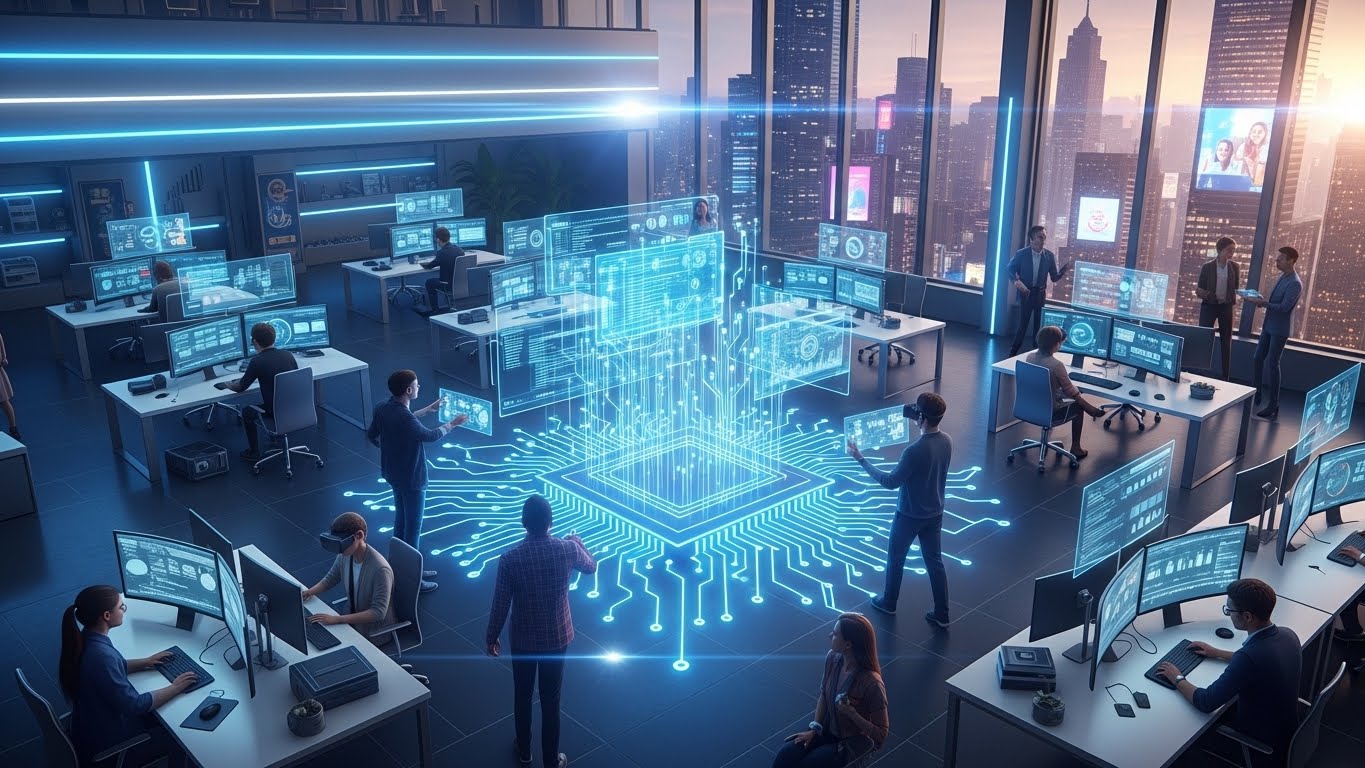
Technology has become an inseparable part of our daily existence. From the moment we wake up to the time we go to sleep, we are surrounded by technological innovations that improve our lives, enhance our productivity, and make the world more connected. The pace of technological advancement continues to accelerate, and it’s reshaping industries, economies, and societies on a global scale. The digital revolution is in full swing, and it’s only just beginning to change the way we live, work, and interact.
The Era of Smart Technology
In today’s world, “smart” technology is at the forefront of innovation. We’ve moved from basic gadgets and devices to highly integrated systems that learn from our behavior and adapt to our needs. Smart homes are becoming the norm, with voice-activated assistants, smart thermostats, and intelligent appliances that create a seamless, efficient living environment. But the influence of smart technology doesn’t stop at home—it’s also revolutionizing transportation with self-driving cars, transforming healthcare with smart devices that monitor vital signs in real-time, and even reshaping entire industries like agriculture, where drones and automated systems are improving crop yields and reducing waste.
Artificial Intelligence: The Brain Behind the Machines
Artificial Intelligence (AI) has transitioned from a futuristic concept to a core component of modern technology. Its applications are vast and continue to grow, with AI algorithms now influencing everything from business decisions to customer service. AI’s ability to process vast amounts of data quickly and accurately makes it indispensable in fields like healthcare, where it helps doctors diagnose diseases more efficiently, and in finance, where it powers algorithms that predict market trends. Moreover, AI is learning to replicate human tasks—such as recognizing speech and images—creating tools that can assist in nearly every area of life. As AI continues to evolve, it will undoubtedly become even more integrated into daily life, creating opportunities for further breakthroughs and improvements in various sectors.
The Cloud: Changing the Way We Store and Share Information
Gone are the days of physical storage and clunky hard drives. The cloud has emerged as the game-changer in how we store and access data. Cloud computing allows for the secure storage of vast amounts of information, accessible from anywhere, at any time. Whether it’s for personal use or business operations, the cloud enables seamless collaboration and sharing of files across global teams, making remote work more effective than ever before. With services like Google Drive, Dropbox, and AWS, cloud technology has not only made data storage more accessible but also more affordable, democratizing access to powerful computing resources. The cloud is also enabling innovations in data-driven industries, where real-time analytics can be conducted on massive datasets, providing insights that were once impossible to achieve.
Cybersecurity: Defending the Digital World
As we continue to embrace the digital age, cybersecurity has become more important than ever. The more we rely on technology, the more we open ourselves up to potential risks such as data breaches, cyberattacks, and identity theft. Protecting personal and corporate data is no longer just a concern—it’s an absolute necessity. Cybersecurity technologies, such as encryption, firewalls, and multi-factor authentication, are now integral to protecting sensitive information and maintaining privacy. Additionally, the rise of AI is creating smarter security systems that can detect and mitigate threats in real-time, making it harder for cybercriminals to succeed. As our digital footprint grows, staying one step ahead of potential threats will require continuous innovation in cybersecurity measures.
The Future: What’s Next for Technology?
The future of technology holds even more exciting possibilities. With the ongoing development of next-generation technologies like 5G, blockchain, augmented reality (AR), and virtual reality (VR), the world is on the verge of even more transformative changes. 5G networks will revolutionize communication by offering faster speeds, lower latency, and greater connectivity, opening the door for new innovations in industries like healthcare, entertainment, and transportation. Blockchain, known for its role in cryptocurrencies, has the potential to change how we think about security, trust, and transparency in digital transactions. Meanwhile, AR and VR are poised to redefine entertainment, gaming, education, and even how we shop. These technologies, along with advances in robotics, will continue to disrupt industries and create new opportunities for businesses and individuals alike.
Conclusion: Embracing the Future with Technology
Technology has already changed the world in ways we could never have imagined a few decades ago, and the rate of progress shows no signs of slowing down. As we continue to innovate and adapt, it’s important to approach these changes with both excitement and caution. Embracing the digital revolution offers limitless possibilities, but it also requires a thoughtful and ethical approach to ensure that technology is used for the greater good. The future of technology is bright, and as we move forward, we have the power to shape it in ways that benefit everyone—creating a world that is smarter, more connected, and more inclusive.